
AI code review tools are useful because pull request review is expensive. They can summarize changes, flag suspicious patterns, find missing tests, and catch obvious mistakes before or during human review.
But AI code review is not the same as engineering judgment. The strongest workflow gives AI the repetitive checks and evidence gathering, while humans keep responsibility for correctness, fit, and merge approval.

What AI Code Review Does Well
AI review is useful for:
- summarizing large diffs
- flagging missing tests
- spotting inconsistent naming or style
- checking common security smells
- identifying likely dead code
- explaining complex changes to reviewers
- checking whether a PR/MR appears to match the ticket
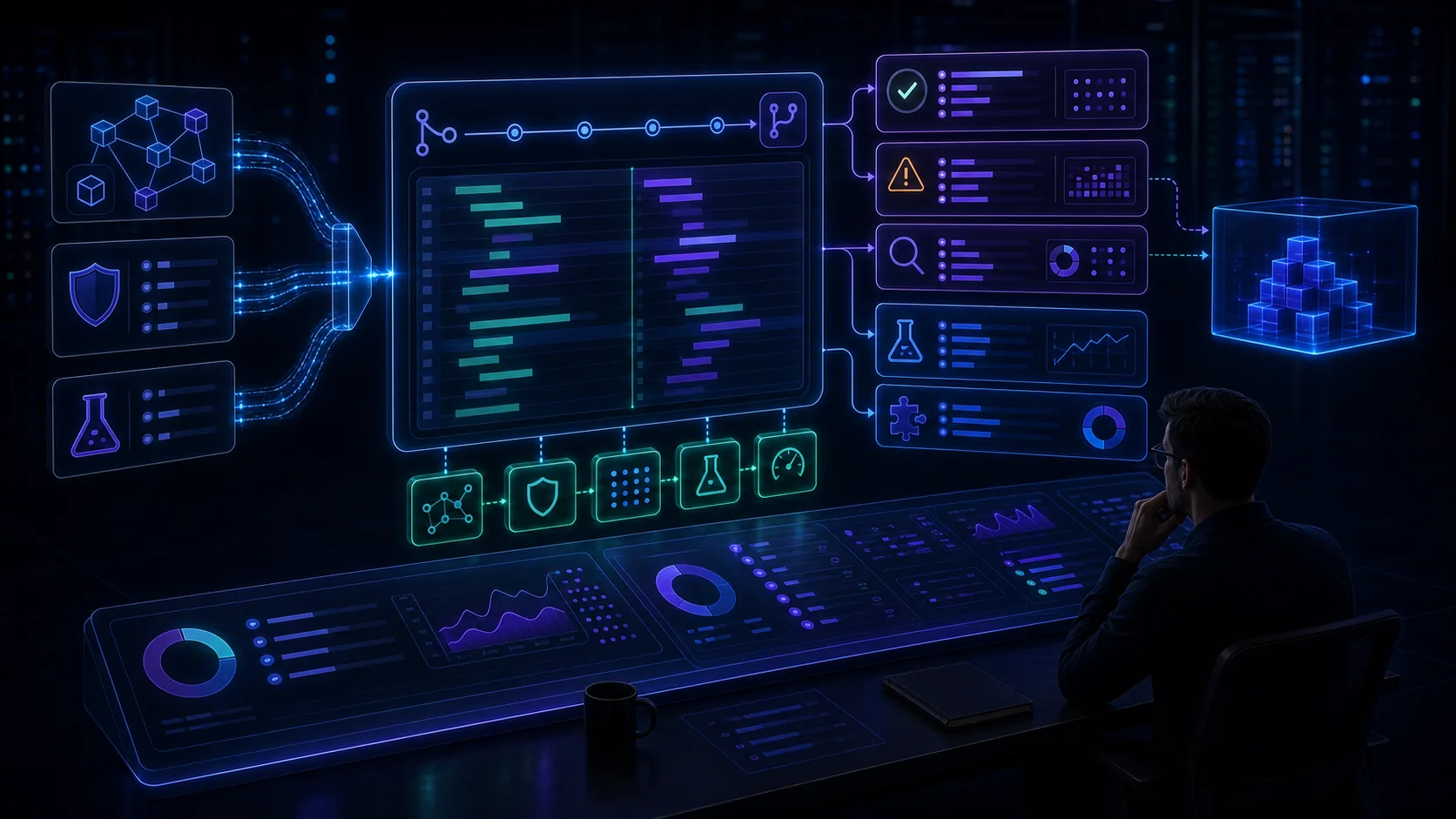
These tasks reduce reviewer setup time. They do not remove the need for ownership.
What Humans Still Own
Human reviewers should own:
- product intent
- architecture direction
- risk acceptance
- security-sensitive judgment
- team conventions that are not documented
- maintainability trade-offs
- merge approval
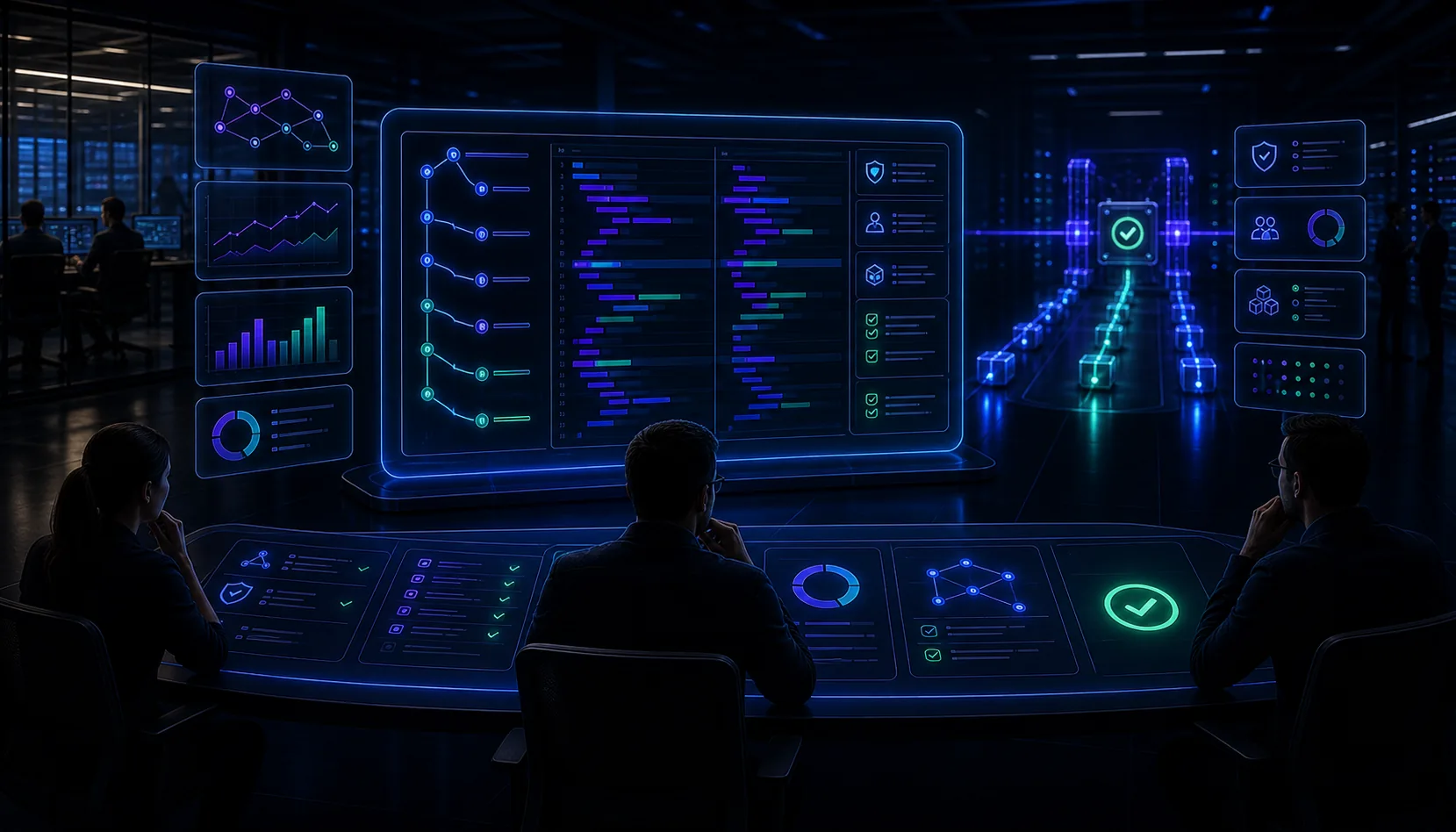
Humans also understand organizational context: roadmap pressure, customer impact, operational history, and which technical debt is deliberate.
Side-by-Side Ownership
| Review Area | AI Review | Human Review |
|---|---|---|
| Diff summary | Strong first draft | Verifies important nuance |
| Style consistency | Good for common patterns | Decides exceptions |
| Test gaps | Good at spotting obvious gaps | Judges whether tests prove real behavior |
| Security smell | Useful first pass | Owns risk and remediation |
| Architecture fit | Limited without deep context | Primary owner |
| Product correctness | Limited to ticket evidence | Primary owner |
| Merge approval | Should not own | Required owner |
Use this table to set expectations in your PR/MR policy.
AI Review Before Human Review
AI review is most useful before humans spend time.
Pre-review checks can:
- run validation commands
- summarize what changed
- flag scope drift
- catch missing tests
- detect large diffs
- recommend reviewer focus areas
MergeLoom’s Quality Agents use this pattern: checks, repairs, specialist review, and diff guard happen before handoff so human reviewers start with better evidence.
AI Review During Human Review
AI can also support active review by:
- explaining a changed module
- summarizing a thread
- checking for missing edge cases
- drafting test ideas
- comparing the diff to acceptance criteria
The reviewer should treat AI output as assistance, not authority.
Common Failure Modes
Watch for:
- false confidence from polished summaries
- AI comments that distract from real risk
- reviewers approving faster without reading critical paths
- tool noise that trains teams to ignore comments
- missing product context
- security findings treated as complete coverage
If AI review creates too much noise, tune it. A useful review tool should reduce cognitive load.
Operating Model
Set a simple policy:
- AI review can recommend changes.
- AI review cannot approve or merge production code.
- Human reviewers must check ticket fit, architecture fit, tests, and risk.
- Critical areas require named human owners.
- AI-generated code must include validation evidence before approval.
This balances speed and accountability.
Measure Whether It Helps
Track:
- review time
- review rounds
- comments accepted vs ignored
- false positive patterns
- defects found after merge
- reviewer satisfaction
- accepted PR/MR rate for AI-generated work
If the tool generates many comments but review time rises, it is not helping enough.
FAQ
Question: Can AI code review replace required approvals?
Short answer: No. It can support review, but branch protection and approval should stay with human reviewers.
Question: Is AI review enough for AI-generated code?
Short answer: No. AI-generated code should get validation evidence and human review, especially for product, architecture, and security risk.
Question: Where does AI review add the most value?
Short answer: It helps most with summaries, mechanical checks, missing tests, risk hints, and reviewer focus before humans spend deep attention.