
AI coding tools can look cheap or expensive depending on what you count. A per-seat assistant may look predictable but hide review costs. A coding agent may look expensive per run but cheap per accepted pull request. Raw model tokens may be small while senior reviewer time is huge.
The right question is: what does it cost to produce a reviewable, accepted engineering outcome?
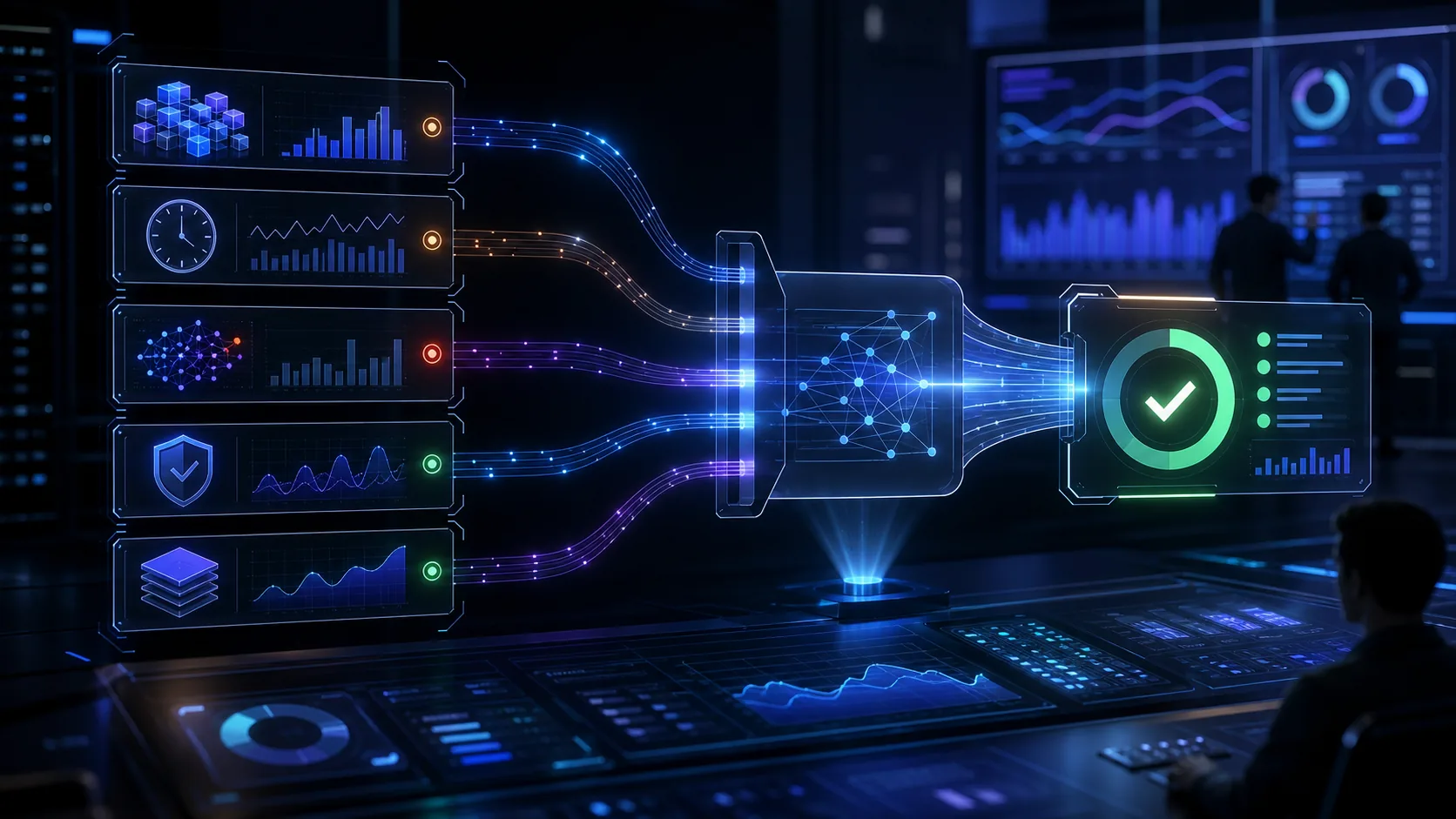
Define the Unit of Value
Pick a unit your business already understands.
Good units:
- accepted PR/MR
- shipped ticket
- validated bug fix
- merged test coverage improvement
- approved documentation or maintenance change
Weak units:
- lines of code generated
- prompts submitted
- autocomplete suggestions accepted
- agent tasks started
- PRs opened without acceptance data
For team-level budgeting, cost per accepted PR/MR is usually the cleanest starting point.
Cost Bucket 1: Tool and Platform Cost
This is the visible cost: subscriptions, platform fees, or per-run charges.
Include:
- per-seat fees for IDE assistants
- per-run or per-outcome charges for agents
- enterprise plan costs
- usage bundles or included allowances
- procurement and support costs where material
This bucket is easy to compare, but it is rarely the whole story.
Cost Bucket 2: Model and Token Spend
Model spend can vary by provider, task size, context volume, retry behaviour, and repair loops.
Track:
- input context cost
- output generation cost
- tool-call or reasoning cost where applicable
- retry cost
- validation repair cost
- context indexing or refresh cost
Context is worth paying for when it improves accepted outcomes. It is waste when the agent repeatedly rediscovers the same architecture on every run. MergeLoom’s Context Engine is designed to reduce repeated discovery by reusing approved repository and documentation context.
Cost Bucket 3: Infrastructure and Runtime
Async coding agents need somewhere to run.
Include:
- compute for worker execution
- repository checkout and cache storage
- CI or validation runner usage
- network egress where relevant
- logs, artifacts, and retention
- platform engineering time to maintain self-hosted infrastructure
Self-hosted models can reduce vendor boundary concerns, but they move more operational cost onto the customer. Cloud-hosted models reduce operations but may have different security and procurement requirements.
Cost Bucket 4: Review Time
Review time is often the hidden cost that decides whether AI coding pays off.
Calculate:
Review cost = reviewer hours x loaded hourly cost
Then track:
- average review time per AI-generated PR/MR
- number of review rounds
- senior engineer involvement
- time spent understanding agent output
- time spent fixing generated mistakes
If AI creates more PRs but doubles senior review time, the budget story gets worse quickly.
Cost Bucket 5: Failed Runs and Rework
Failed runs are not free. They consume model spend, compute, attention, and sometimes reviewer trust.
Track:
| Failure Type | Cost Signal |
|---|---|
| Ticket unclear | Product/engineering clarification time. |
| Validation failed | Agent runtime plus human triage if pushed to review. |
| Scope drift | Reviewer time and branch cleanup. |
| Security concern | Security review, rework, potential incident response. |
| Rejected PR/MR | Full run cost without accepted outcome. |
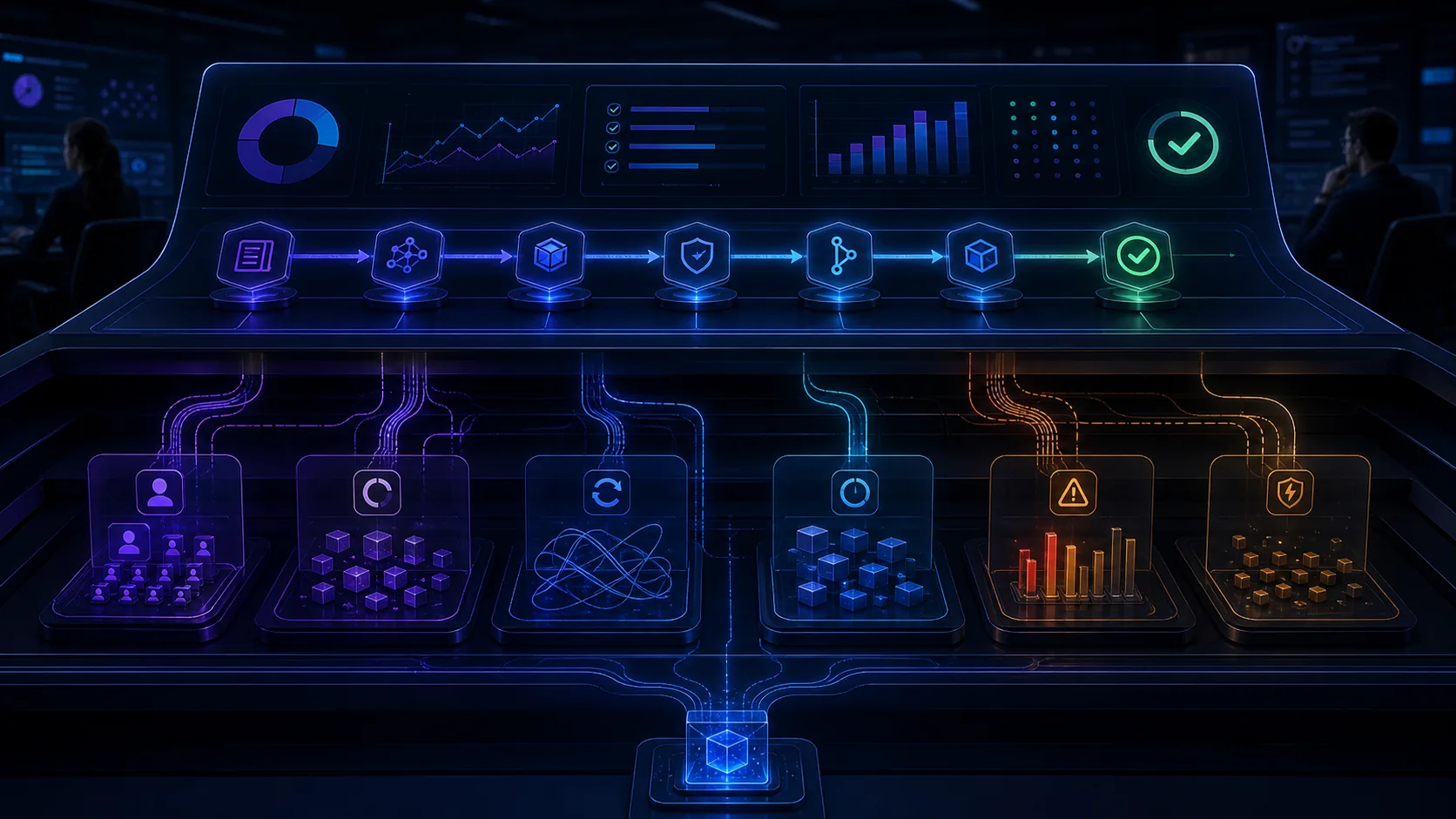
A good platform should make failed runs visible. Hidden failure rates make AI coding look better than it is.
Cost Bucket 6: Post-Merge Risk
The most expensive AI coding failure is not a failed prompt. It is a bad change that reaches production.
Include risk signals:
- change failure rate for AI-assisted changes
- rollback or hotfix rate
- incident time and customer impact
- security findings after merge
- audit time spent reconstructing what happened
This is why validation and audit evidence belong inside the workflow, not as a later reporting exercise.
A Simple Cost Formula
Use this for a first pass:
Cost per accepted PR/MR = (tool cost + model spend + runtime cost + review cost + rework cost) / accepted PRs/MRs
For a pilot, use weekly totals:
- total AI coding platform cost
- total provider/model spend
- total worker or CI/runtime cost
- total reviewer hours
- total rework hours
- accepted PR/MR count
Then compare against the estimated cost of doing the same ticket types manually.
Build vs Buy Considerations
Building your own agent workflow may be attractive if you have strong platform capacity. Count that time honestly.
Build costs include:
- agent orchestration
- ticket and code-host integrations
- repository permissions
- context indexing
- validation and repair loops
- audit logging
- security review
- ongoing model/provider maintenance
Buy costs include platform spend, procurement, adoption, and integration effort. The right answer depends on scale, risk, and whether AI coding orchestration is a core platform competency for your company.
What to Report to Executives
Avoid reporting “AI generated 50 PRs” unless you also report whether those PRs were accepted.
Better executive reporting:
- accepted PRs/MRs from AI runs
- average cost per accepted PR/MR
- review time trend
- validation pass rate
- rework rate
- change failure rate
- ticket types where AI is profitable
- ticket types excluded from automation

MergeLoom’s reduce AI costs page covers the product’s outcome pricing model, but the same measurement discipline applies to any AI coding workflow.
FAQ
Question: Are token costs the biggest AI coding cost?
Short answer: Not always. For engineering teams, review time, failed runs, and rework can cost more than model usage.
Question: Should we compare tools by seat price?
Short answer: Seat price is useful for budgeting, but not for ROI. Compare cost per accepted outcome and review burden.
Question: What is the fastest way to improve AI coding unit economics?
Short answer: Improve ticket quality, repository context, validation commands, and review handoff quality before scaling volume.