As AI coding agents become more capable, engineering teams need more than individual assistants. They need a way to coordinate AI work across the delivery system.
That is the role of an AI software delivery control plane.
The control plane does not have to replace editors, code hosts, ticket trackers, or CI. It should connect them so AI coding work can move through approved, visible, validated, reviewable paths.
What a Control Plane Coordinates
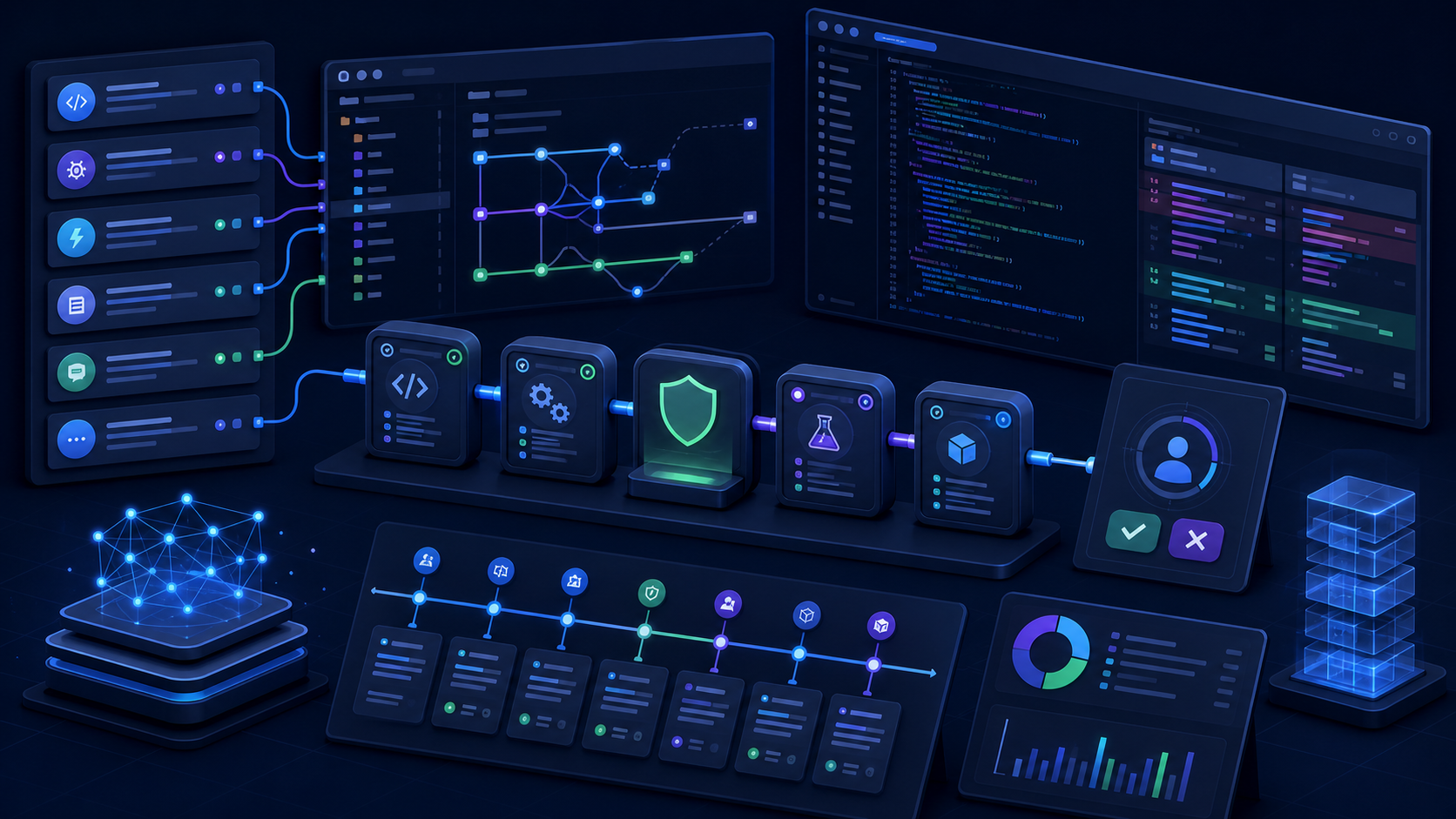
An AI software delivery control plane coordinates:
- work intake from tickets and issues
- repository routing
- context sources
- agent execution mode
- validation commands
- repair loops
- review handoff
- audit evidence
- cost and outcome tracking
This matters because AI coding touches multiple systems. No single editor session can own the whole workflow for a team.
Why Teams Need One
Without a control plane, AI coding adoption often becomes fragmented.
One team uses an editor agent. Another uses a PR review bot. Another runs a CLI agent locally. Another experiments with a hosted coding agent. Each tool has its own context, permissions, logs, and success metrics.
That fragmentation creates problems:
- unclear policies
- inconsistent validation
- duplicated context gathering
- weak audit trails
- no shared cost model
- reviewers receiving inconsistent PR/MR packets
A control plane creates a common workflow around the tools.
Control Plane vs Coding Tool
A coding tool helps write or review code.
A control plane decides how AI coding work enters and moves through the organisation.
That means a team can still use tools such as Cursor, Claude Code, GitHub Copilot cloud agent, GitLab Duo Agent Platform, Amazon Q Developer, or OpenHands.
The control plane governs the path around them.
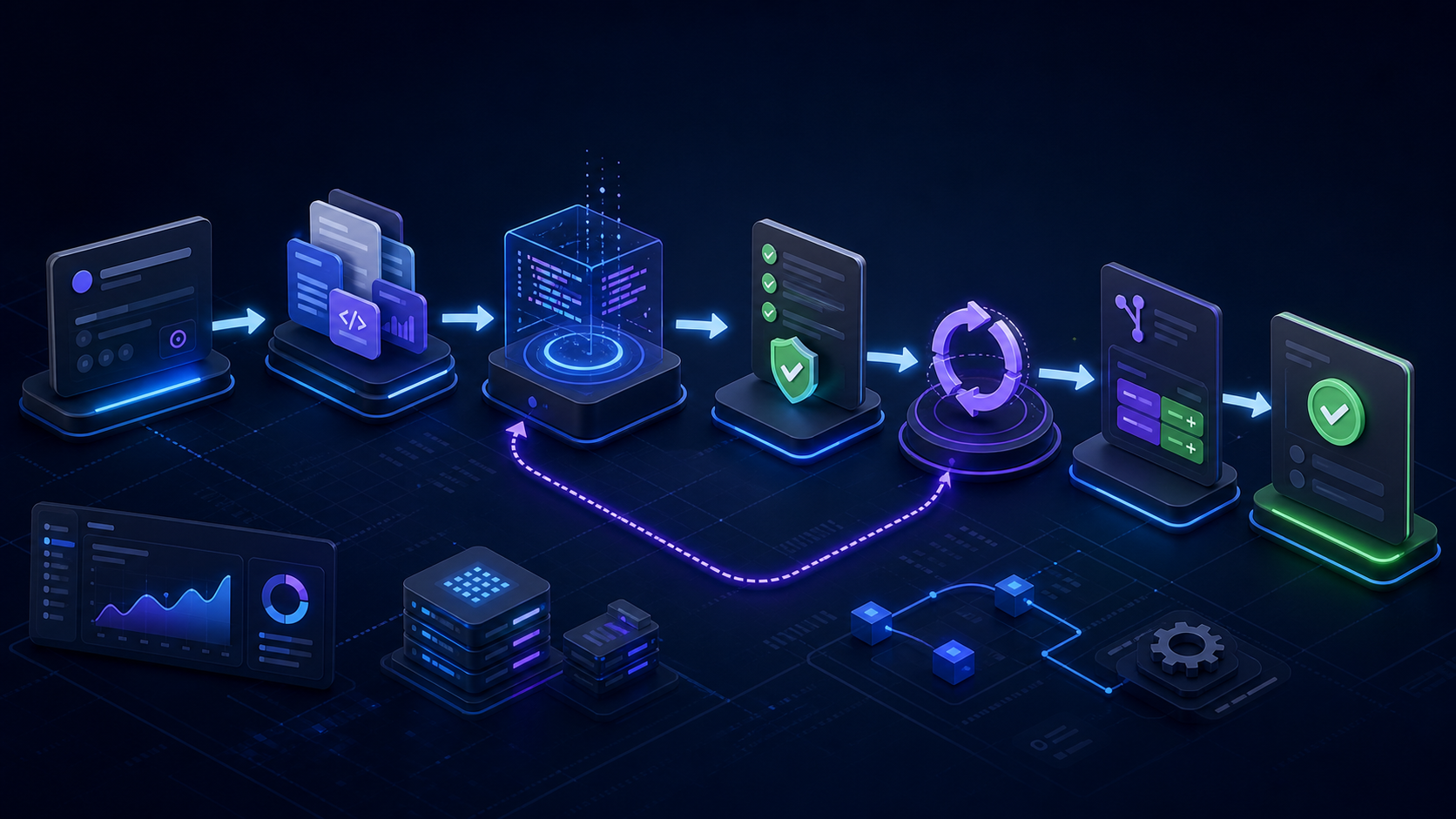
Intake Control
The control plane should start with approved work.
It should answer:
- Which tickets are ready for AI coding?
- Who approved them?
- Which repository should receive the change?
- What scope and constraints apply?
- What validation is required?
MergeLoom’s ticket-to-code automation uses approved work intake as the starting point.
Context Control
The control plane should decide which context is trusted.
It should manage:
- repository rules
- architecture docs
- service relationships
- Confluence or docs sources
- related repositories
- validation commands
- excluded sensitive content
MergeLoom’s Context Engine handles this layer.
Execution Control
The control plane should define where work runs.
Options include:
- cloud-hosted execution
- customer-hosted workers
- provider-specific agent environments
- local developer execution for assisted workflows
The right choice depends on data boundaries, repository access, validation needs, and platform ownership.
MergeLoom supports both Cloud Hosted AI coding and Self Hosted AI coding infrastructure.
Validation Control
The control plane should require repository-specific validation before review handoff.
It should track:
- commands configured
- commands run
- pass/fail output
- repair attempts
- checks skipped and why
- diff size or scope warnings
This is how teams stop bad AI output before it reaches senior reviewers.
MergeLoom’s Quality Agents provide validation, repair, specialist review, and Diff Guard before handoff.
Review Control
The control plane should not replace code review.
It should preserve:
- code host review flow
- branch protection
- required checks
- CODEOWNERS
- human approval
The PR/MR should arrive with a useful review packet, not just a generated diff.
Audit and Cost Control
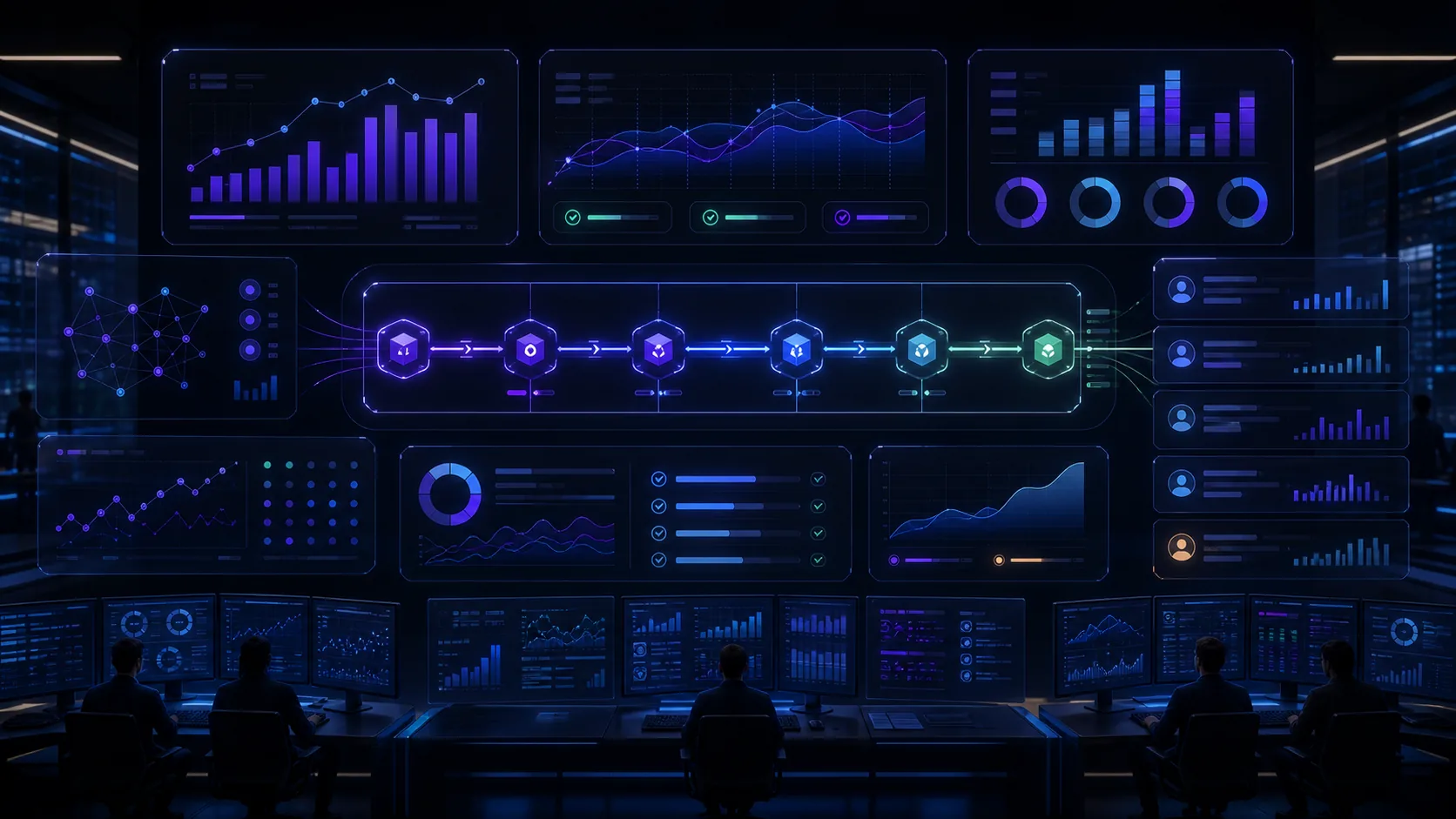
The control plane should make adoption measurable.
Track:
- runs by repository and team
- accepted PRs/MRs
- validation failures
- repair rates
- review outcomes
- cost per accepted PR/MR
- line-level attribution where available
This evidence helps leaders decide where to expand and where to tighten controls.
When to Add a Control Plane
You likely need a control plane when:
- AI coding has spread beyond one team
- agents can open PRs/MRs
- work starts from Jira or another tracker
- security asks for audit trails
- reviewers see inconsistent AI output
- leadership needs cost visibility
- platform teams need cloud and self-hosted execution options
That is the point where unmanaged experimentation becomes an operations problem.
Where MergeLoom Fits
MergeLoom is a control layer for governed AI software delivery. It connects work intake, context, execution, validation, repair, review handoff, audit trails, and outcome economics.
It helps teams keep existing tools while making AI coding work more controlled and reviewable.
Start with Enterprise AI Coding Orchestration or book a demo to map the control plane around your current workflow.