Claude Code is positioned by Anthropic as an agentic coding system that reads a codebase, changes files, runs tests, and delivers committed code. That makes it much more than a chat assistant.
For engineering teams, the value is obvious: routine work can move faster, especially when the task is bounded and the repository has clear tests.
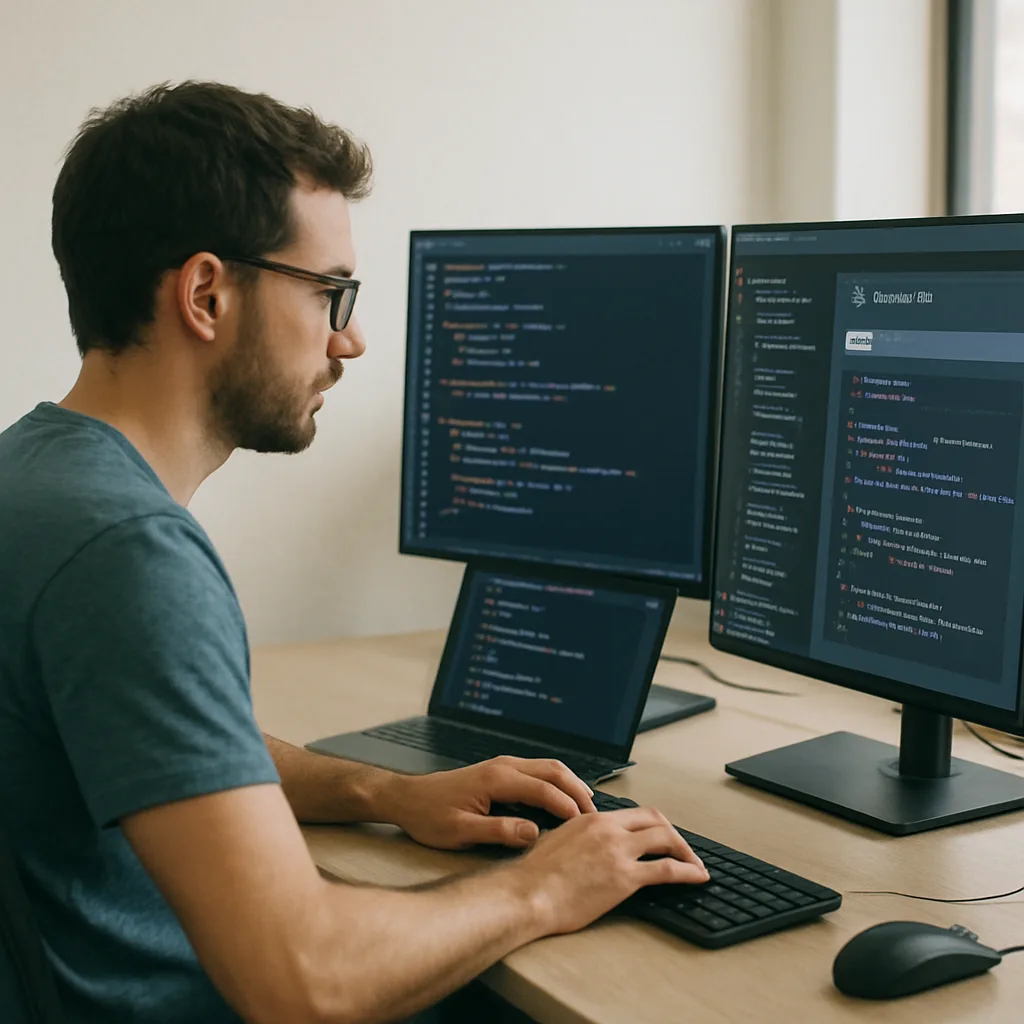
The risk is also obvious: if every agentic session is driven differently, teams can lose control over scope, validation, and evidence.
Agentic Coding Needs a Workflow
Claude Code is powerful because it works close to the code. It can inspect files, plan changes, edit across files, and run commands.
That is useful for:
- bug fixes
- tests
- refactors
- documentation updates
- CI fixes
- small product changes
But a strong model does not remove the need for an operating model.
The workflow should define what happens before, during, and after the agent changes code.
Start With the Right Work
Do not begin enterprise adoption with vague prompts.
Start from approved work:
- a ticket with clear acceptance criteria
- a known target repository
- constraints and out-of-scope notes
- validation commands
- reviewer focus areas
This makes the session auditable and gives the reviewer a behavioural target.
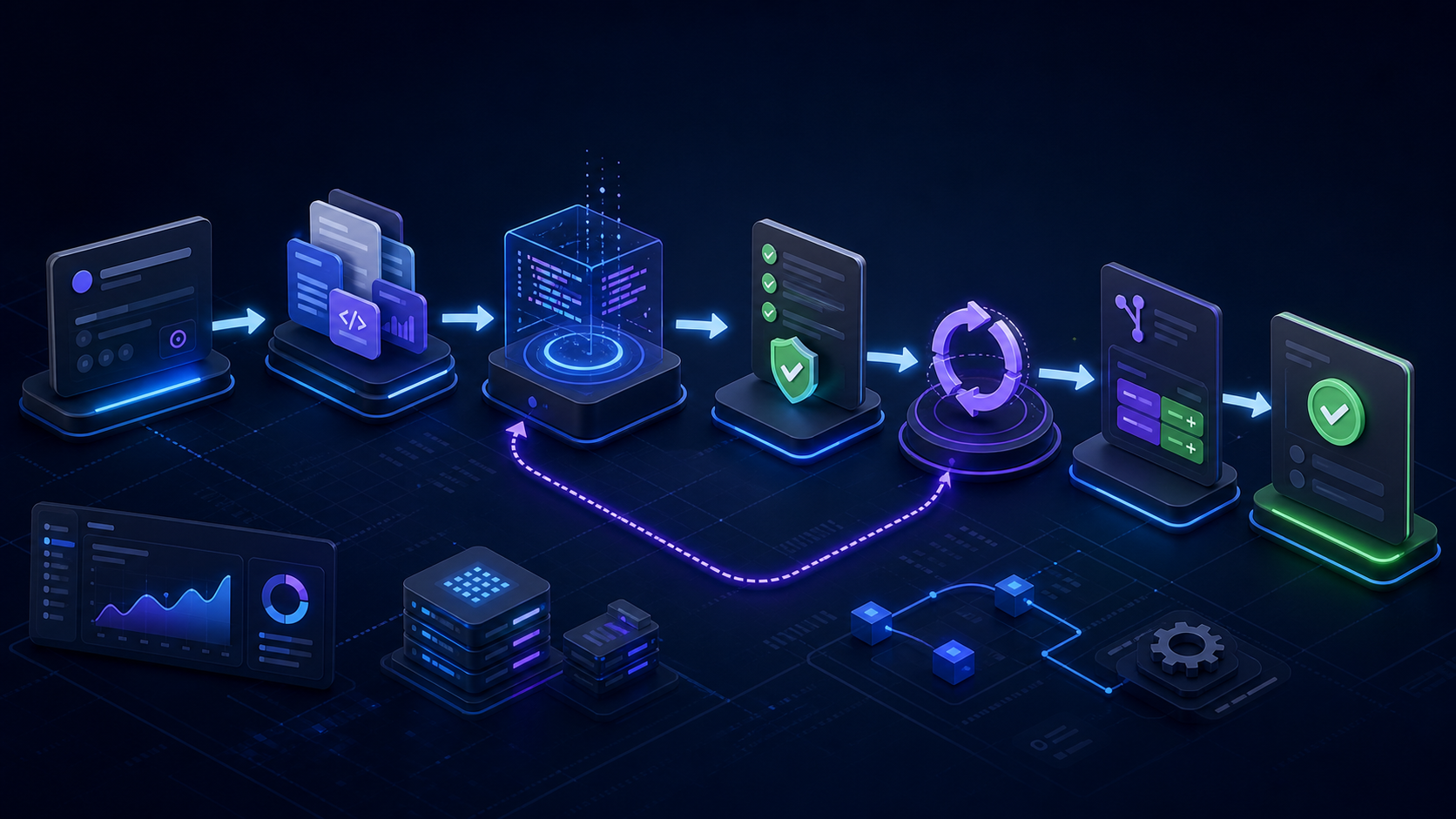
MergeLoom’s ticket-to-code automation uses this pattern: approved tickets become governed runs that produce PRs/MRs for human review.
Give Claude Better Context
Agentic coding works better when context is explicit.
For each run, define:
- repository conventions
- service boundaries
- architecture rules
- test strategy
- related docs
- prior incidents or known constraints
- files the agent should avoid
Without this, the agent may still produce code, but reviewers must spend more time checking whether it fits the system.
MergeLoom’s Context Engine helps teams reuse approved codebase context, documentation, and repository rules across runs.
Bound the Execution Environment
Enterprise teams should decide where agentic coding runs.
Questions to answer:
- Does code execute locally, in a hosted environment, or in a self-hosted worker?
- Which network paths are allowed?
- Which package registries can be accessed?
- Which commands are permitted?
- How are secrets protected?
- How are repository credentials scoped?
For teams with strict data boundaries, MergeLoom’s Self Hosted AI coding infrastructure can keep execution inside the customer’s environment while still producing normal PRs/MRs.
Run Validation Before Handoff
Claude Code can run tests, but the organisation should define which checks are required before review.
At minimum:
- lint
- typecheck
- targeted tests
- build where relevant
- custom validation commands for the repository
If a check fails, the workflow should record the failure. If the agent repairs it, the workflow should record the repair attempt and rerun result.
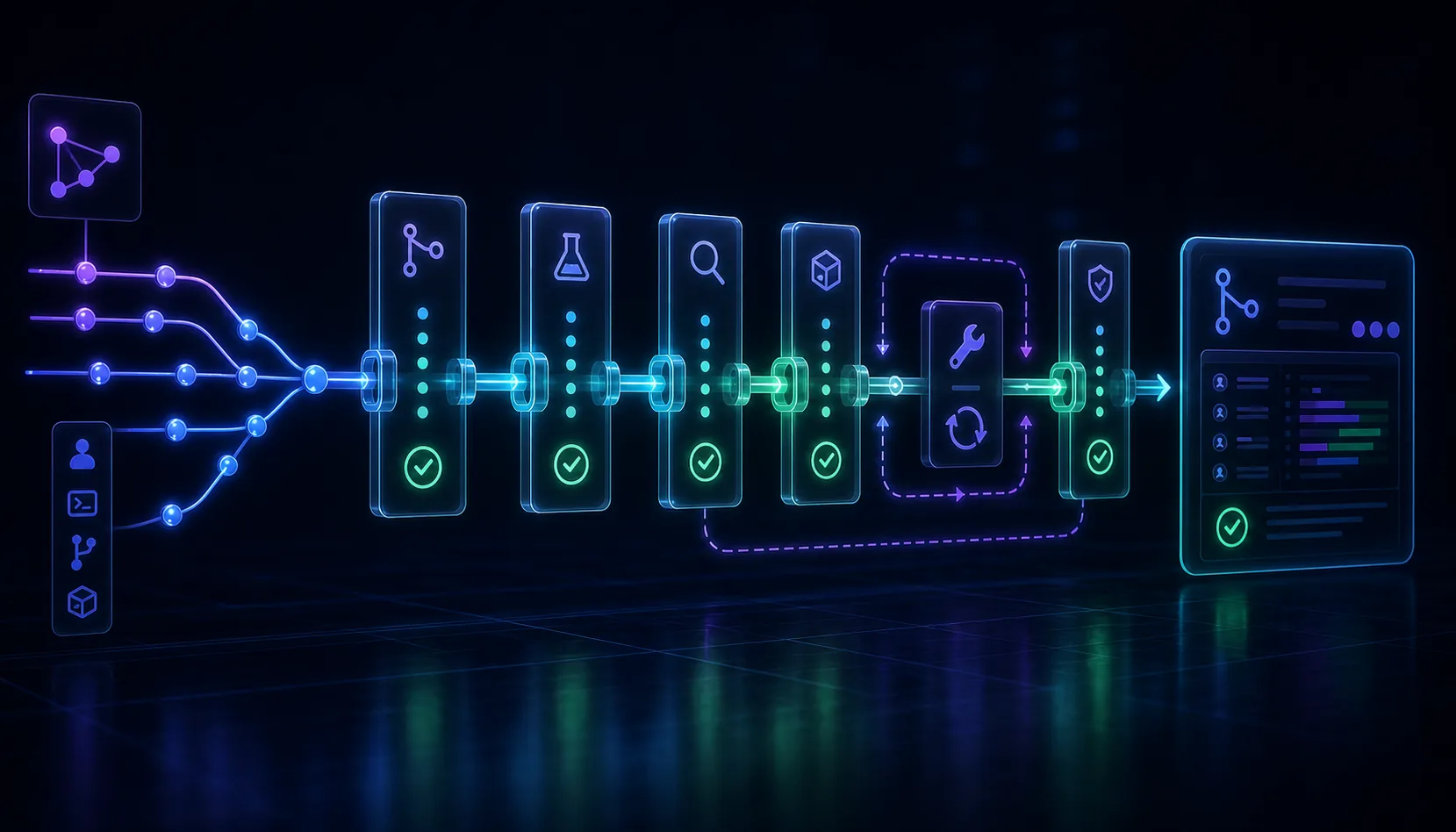
That evidence matters more than a confident PR description.
Keep Humans in Control
Agentic coding should not approve itself.
Human reviewers still own:
- product intent
- architecture fit
- security judgment
- maintainability trade-offs
- release risk
- merge approval
The agent can prepare work. It should not be the authority that decides whether the work belongs in production.
MergeLoom keeps review inside the code host so existing branch protection and reviewer rules still apply.
Create a Review Packet
Every AI-generated PR/MR should carry a review packet.
Include:
- source ticket
- summary of changes
- acceptance criteria addressed
- commands run
- validation results
- repair attempts
- known gaps
- reviewer focus areas
This turns review from forensic work into judgment work.
Audit the Run
For enterprise adoption, teams need a durable trail of what happened.
Capture:
- who requested the run
- which ticket and repository were used
- what context was loaded
- what files changed
- which commands ran
- which checks passed or failed
- which PR/MR was opened
- which lines were generated by the AI run where available
MergeLoom’s audit trails and attribution are designed for this evidence path.
Where MergeLoom Fits With Claude Code
Claude Code is a strong coding agent. MergeLoom focuses on the team workflow around AI coding:
- approved ticket intake
- context assembly
- controlled execution
- validation and repair
- review handoff
- audit trails
- cost visibility
That workflow is useful whether your team standardises on Claude Code, uses multiple models, or wants a vendor-neutral execution path.
To plan a controlled rollout, read AI Code Governance Platform or book a demo to map how Claude Code fits into your existing delivery controls.