OpenHands is one of the clearest signals that AI coding has moved beyond autocomplete. Its documentation describes several ways to work with agents, including Agent Canvas, Cloud, Enterprise, an SDK, and CLI or local GUI options. That makes it attractive for teams that want a flexible agent system they can run, extend, and shape around their own engineering habits.
MergeLoom approaches the problem from a different layer. It does not try to replace every coding assistant or agent runtime. It focuses on the controlled path from approved work to reviewed code: ticket intake, context assembly, execution, validation, repair, PR/MR handoff, audit trails, and cost visibility per accepted outcome.
For enterprise leaders, the comparison is not “which tool is good” and “which tool is bad.” OpenHands validates demand for agentic coding. MergeLoom answers a surrounding operating question: how do you make agentic coding fit the delivery process your teams already use?
What OpenHands Gives Engineering Teams
OpenHands is useful when a team wants a coding agent environment. The official docs describe Agent Canvas as a browser-based UI and backend server for running agents and automations, OpenHands Cloud with integrations and team features, and OpenHands Enterprise for self-hosting OpenHands Cloud in a VPC through Kubernetes.

That breadth matters. Some platform teams want direct control over agent behavior, prompts, tools, runtime environments, and integrations. They may want to experiment with local runs first, build internal automations, or use an SDK to compose their own agent workflows.
OpenHands can fit that kind of team well, especially when the goal is developer-led experimentation or a custom internal platform.
What Enterprises Still Need Around The Agent
The agent is only one part of enterprise AI coding.
Once an agent can change code, leaders need answers to more operational questions:
- Which tickets are eligible for AI execution?
- Who can start a run?
- Which repositories and branches are allowed?
- What approved context should the agent use?
- What validation commands must pass before review?
- How are failed runs repaired or stopped?
- What evidence does the reviewer receive?
- How is cost tied to accepted PRs or MRs rather than raw activity?
These are normal delivery questions. They become more visible when AI starts producing branches in the background.
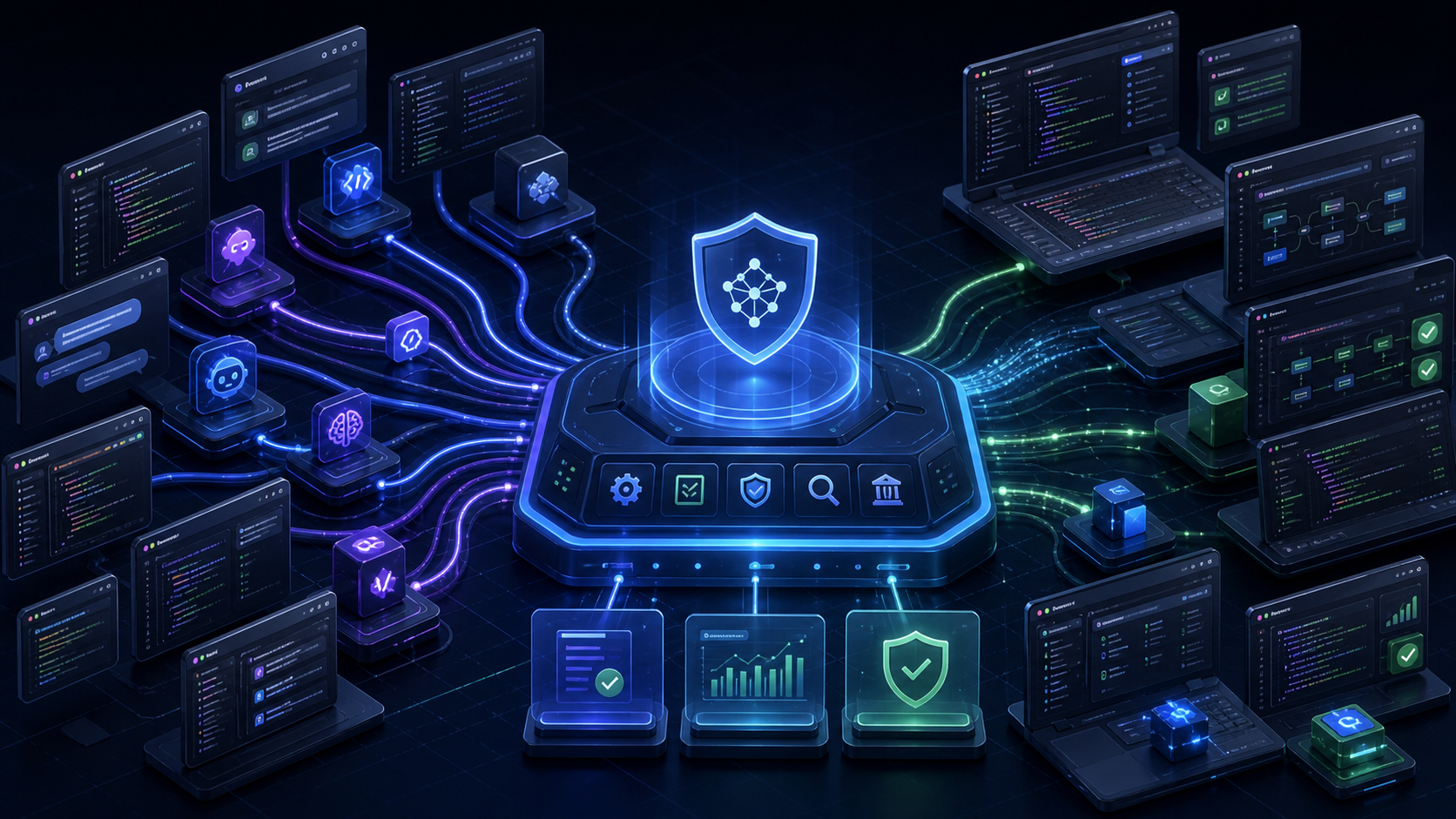
MergeLoom’s ticket-to-code automation is built for that workflow layer. The ticket remains the unit of work, and the pull request or merge request remains the point where human judgment takes over.
Start With Approved Tickets
Most enterprise teams already have a source of truth for work: Jira, GitHub Issues, GitLab Issues, Azure Boards, Linear, monday.dev, or another planning tool. That ticket includes intent, priority, ownership, acceptance criteria, and review expectations.
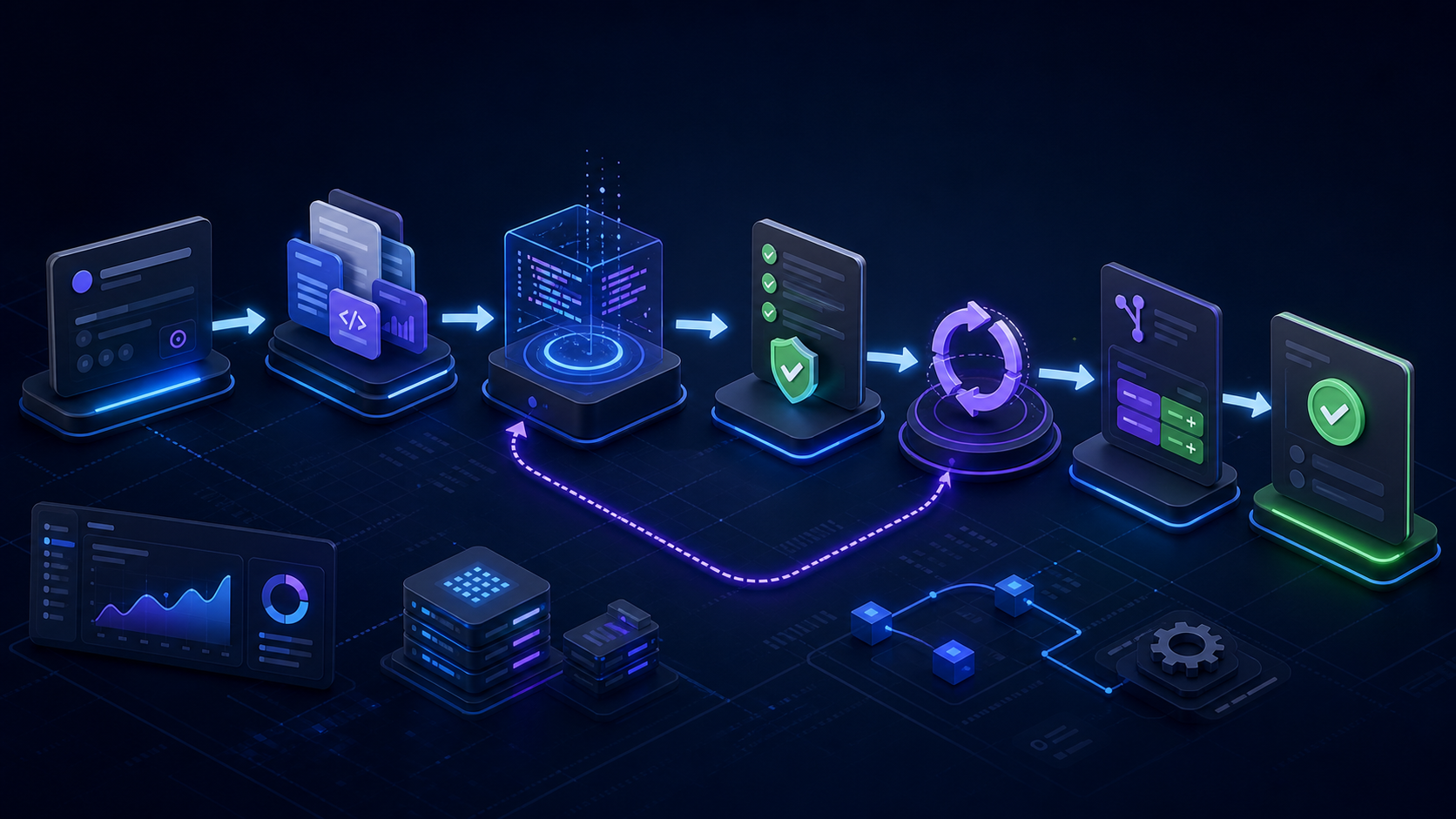
Agent prompts do not always preserve that structure. A chat instruction may be clear to the person who wrote it, but harder to audit later. A controlled ticket-to-code run gives the organization a better record: this approved item led to this branch, with this context, these commands, and this review artifact.
MergeLoom’s work intake integrations are designed around that starting point. OpenHands can be part of a custom workflow, but the enterprise question is whether your team wants to build and maintain that layer or buy it as part of the product boundary.
Reuse Context Instead Of Rebuilding It
AI coding quality depends heavily on context. The agent needs to understand service boundaries, repository conventions, setup commands, test strategy, security rules, and the implementation intent in the ticket.
In a small repository, a developer may be able to prompt this manually. In a large organization, repeated ad hoc context gathering becomes costly and inconsistent.
MergeLoom’s Context Engine gives teams a reusable place for approved repository context and rules. The goal is not to make the agent omniscient. The goal is to reduce repeated discovery, attach known-good context to each run, and keep the run record clear enough for review and audit.
Validate Before Review
Agentic coding should reduce review load, not create more cleanup work. That means validation needs to happen before a PR or MR asks for human attention.
Useful gates include:
- formatting and lint checks
- type checks
- unit or integration tests relevant to the change
- build commands
- repository-specific scripts
- diff size and scope checks
MergeLoom’s Quality Agents focus on this pre-review path: clarify the task, investigate, validate, repair bounded failures, check the diff, and prepare evidence for the reviewer. That is different from only running an agent and hoping the downstream PR process catches the rest.
Keep Human Review In Place
Neither OpenHands nor MergeLoom removes the need for engineering judgment. Humans still own architecture, risk acceptance, product fit, security tradeoffs, and merge approval.
The better operating model is to make reviewers faster because the evidence is already assembled. A reviewer should see the ticket, implementation summary, files changed, commands run, validation result, known gaps, and any failed repair attempts.
MergeLoom’s audit trails and attribution are designed around that chain. The organization can see what ran, why it ran, what it changed, and how the work ended.
Where Each Tool Fits
Choose OpenHands when your team wants a flexible agent platform and has the appetite to engineer the surrounding workflow. It is especially relevant for teams that want to self-host an agent environment, tune agent behavior, and build internal automations around it.
Choose MergeLoom when the main problem is operationalizing AI coding across existing delivery systems. That includes routing approved tickets, applying reusable context, running validation before PR/MR handoff, preserving audit evidence, and tracking cost per accepted outcome.
Some enterprises may use both patterns: an agent runtime for coding and a workflow layer for governance. The key is to be explicit about which layer each tool owns.
The Practical Buying Question
The buying question is not “agent or no agent.” The market has already moved toward agents. The better question is: who controls the path from approved work to reviewed code?
If that path is handled informally, AI coding can create more background activity than usable delivery. If the path is controlled, AI can take on bounded implementation work while developers keep review and merge authority.
For teams comparing OpenHands with workflow-first AI coding, start with MergeLoom’s Ticket-To-Code Automation or book a demo to map the controls around your current tickets, repositories, and review process.