Private AI coding infrastructure is becoming a board-level question for engineering organizations. Teams want the productivity upside of AI coding, but they also need to protect source code, credentials, customer data, internal architecture, and delivery controls.
The mistake is treating “private” as only a model hosting decision. Model choice matters, but private AI coding also needs a workflow boundary: which tickets can run, where the worker executes, what context is allowed, which commands can run, how changes are validated, and what evidence is preserved before human review.

MergeLoom’s Self Hosted AI coding infrastructure is designed around that broader operating model.
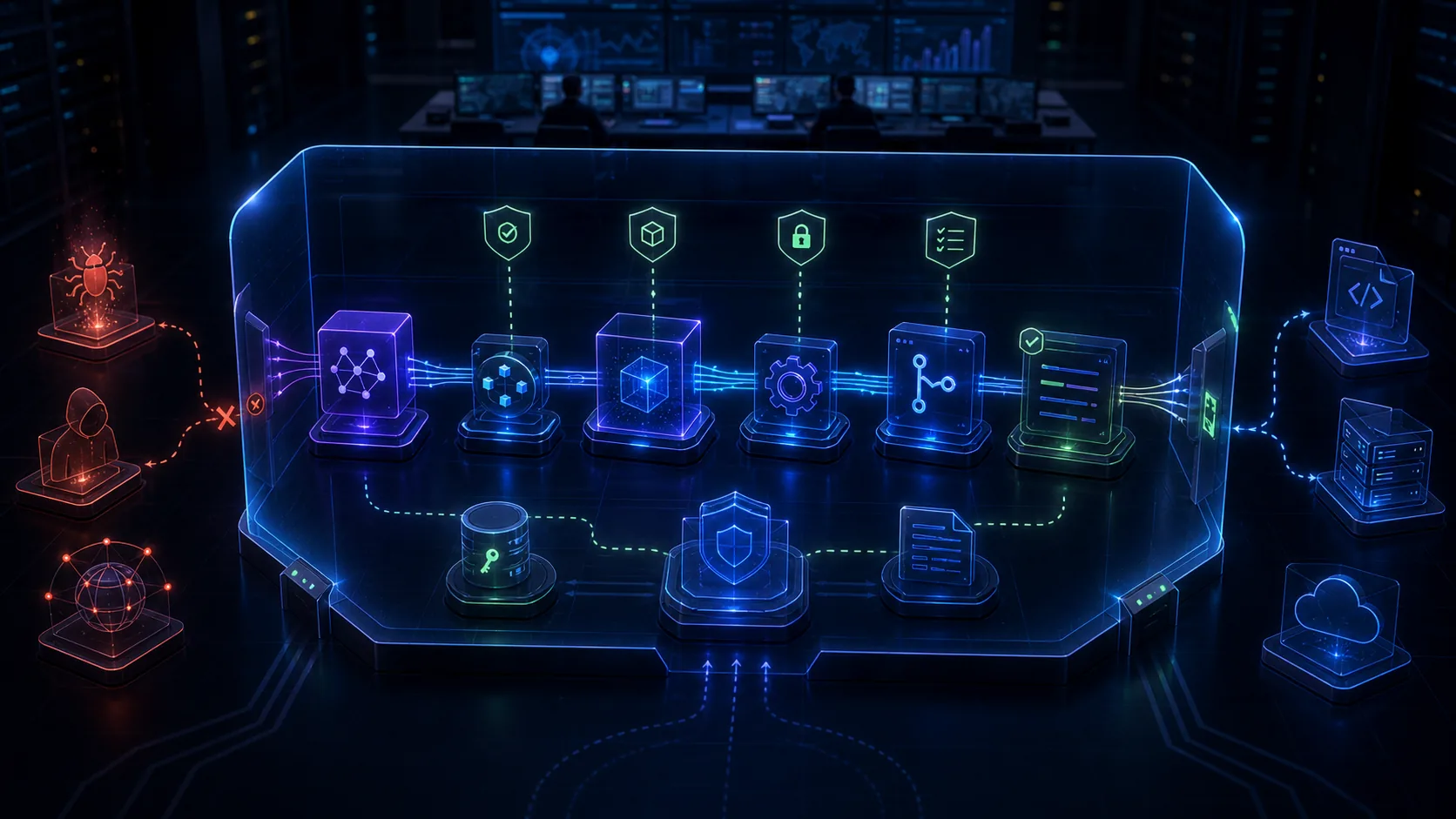
Private Starts With The Execution Boundary
An AI coding agent needs repository access, command execution, package installation, test output, logs, and sometimes access to internal docs or issue trackers. That is more sensitive than a normal chat prompt.
Enterprises should define where execution happens:
- inside the customer’s cloud or network
- inside a controlled VPC or private runner environment
- with scoped repository credentials
- with explicit egress rules
- with limited secret exposure
- with logs retained according to policy
The goal is not to make AI coding invisible. It is to make the boundary inspectable and enforceable.
This boundary should also define what the worker cannot do. Many teams need deny lists for production credentials, customer datasets, privileged deployment commands, and repositories that are not approved for AI work. Private infrastructure is stronger when these controls are enforced by the runtime, not remembered manually by each developer.
Keep Work Intake Controlled
Private execution does not help much if anyone can send any prompt against any repository.
A safer model starts from approved work:
- ticket is in an eligible state
- scope is clear
- risk category is acceptable
- repository routing is approved
- review owner is known
- validation path is defined
This is why private AI coding infrastructure should integrate with delivery systems, not only IDEs. Jira, GitHub Issues, GitLab Issues, Azure Boards, Linear, and similar systems already contain the intent and approval history.
MergeLoom’s work intake integrations preserve that connection so the resulting PR or MR can be traced back to the approved source of work.
Approved Context Matters More Than More Context
Large context windows can make teams careless. More context is not automatically safer or better.
Private AI coding needs approved context:
- current architecture docs
- repository setup and validation commands
- API contracts
- coding standards
- security-sensitive paths
- ownership rules
- known generated files and exclusions
It also needs rules for what should not be included: secrets, sensitive customer records, irrelevant logs, outdated docs, and internal documents that are not approved for AI use.
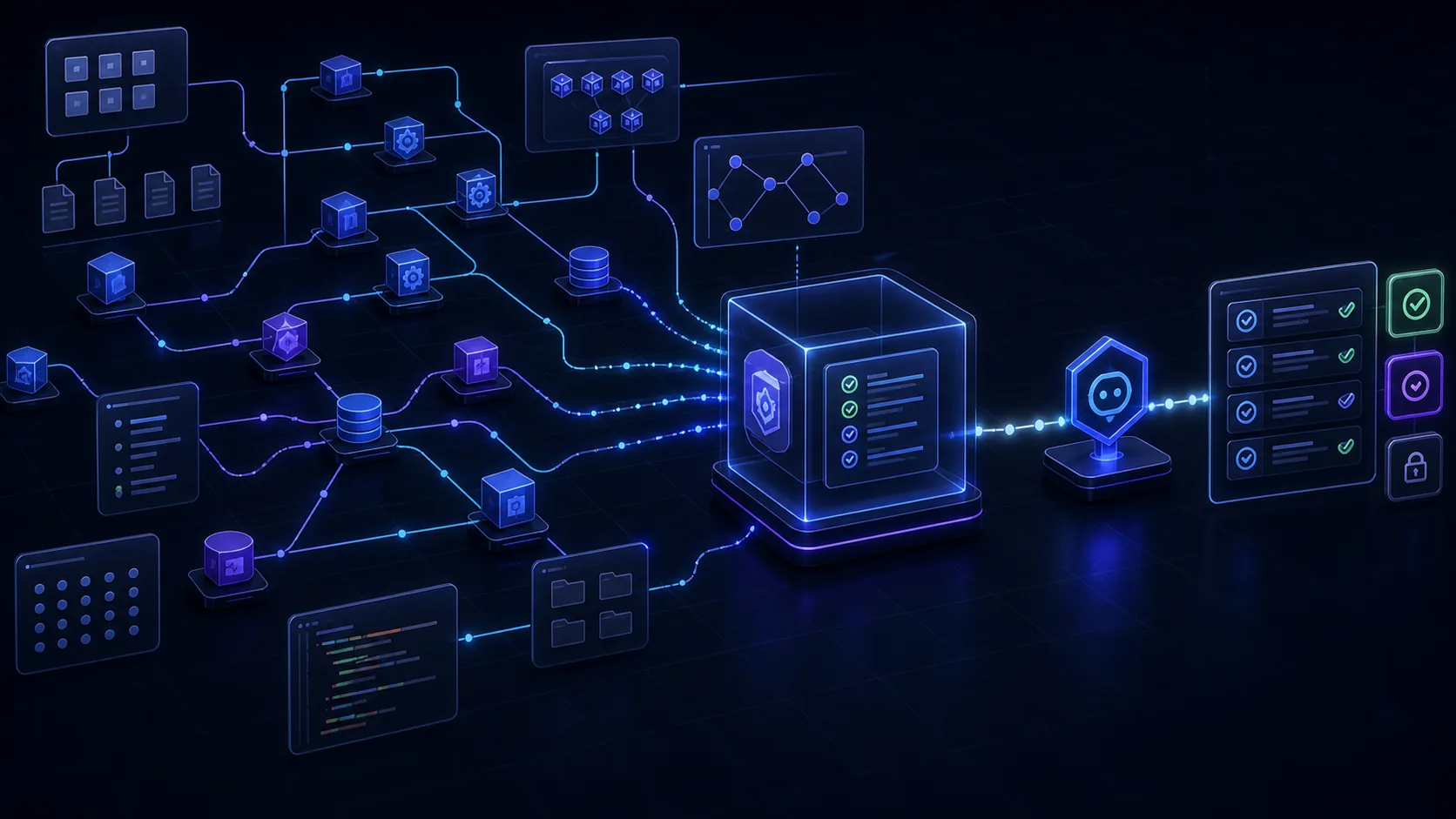
MergeLoom’s Context Engine is built to make context reusable and controlled. The aim is to reduce repeated discovery while keeping the run grounded in sources the team has approved.
Validation Is Part Of Privacy And Control
Private infrastructure should not only protect inputs. It should also improve control over outputs.
Before a branch reaches review, the workflow should run repository-specific checks:
- formatting
- linting
- type checking
- unit tests
- integration tests where feasible
- build commands
- security or policy checks where appropriate
- diff scope checks
Validation output should be retained with the run. If checks fail, the system should repair within scope or stop with evidence.
MergeLoom’s Quality Agents focus on that pre-review control point so reviewers do not become the first reliable gate.
Human Review Stays In The Delivery Path
Private AI coding should produce normal engineering artifacts: branches, pull requests, merge requests, validation logs, and review summaries.
Reviewers should still own:
- architecture judgment
- security acceptance
- product fit
- test adequacy
- release timing
- merge approval
The infrastructure should make review easier, not bypass it. A good handoff includes the source ticket, implementation summary, validation commands, validation output, changed files, known gaps, and recommended review focus areas.
Audit Trails Are Not Optional
When AI can change code, audit trails become part of the control surface.
The run record should capture:
- who initiated the work
- which ticket approved the work
- which repository and branch were used
- which context sources were included
- which commands ran
- what files changed
- what validation passed or failed
- which PR or MR was created
- whether the outcome was accepted
MergeLoom’s audit trails and attribution are designed around this full path from ticket to code review.
Measure Cost Per Accepted Outcome
Private infrastructure can become expensive if teams only measure usage. Model spend, context processing, worker time, failed runs, and reviewer cleanup all contribute to real cost.
Measure accepted outcomes instead:
- runs started
- runs stopped before coding
- PRs or MRs opened
- PRs or MRs merged
- validation failure rate
- review rework
- cost per accepted PR or MR
MergeLoom’s Reduce AI Costs page explains why outcome economics matter more than raw token or session counts.
What To Require From Private AI Coding Infrastructure
A practical enterprise checklist looks like this:
- customer-controlled execution boundary
- approved ticket intake
- scoped repository access
- approved context sources
- repository-specific validation
- bounded repair behavior
- normal PR/MR handoff
- human review and merge control
- audit trails for every run
- cost reporting tied to accepted outcomes
That is the difference between an AI coding experiment and infrastructure an enterprise can operate.
To map private AI coding against your repositories and security boundary, start with Self Hosted AI coding infrastructure or book a MergeLoom demo.