When AI coding moves beyond experiments, platform teams inherit a new operating surface. Agents need repository access, worker environments, validation commands, permissions, audit records, incident paths, and support expectations.
That work needs runbooks.
An AI coding agent runbook is not a prompt library. It is an operational guide for how automated coding work enters the system, runs safely, produces evidence, and hands off to humans.
Define Which Work Can Enter the System
Start with intake rules.
The runbook should state which work types are allowed:
- bug fixes with clear reproduction steps
- test coverage tickets
- small refactors
- dependency updates
- documentation-backed implementation tasks
- routine product changes with acceptance criteria
It should also state which work types require human design before execution:
- large architecture changes
- security-sensitive changes
- ambiguous product behavior
- data migrations with rollback risk
- changes requiring new credentials or production access
MergeLoom’s ticket-to-code automation works best when intake rules keep approved work clear and bounded.
Standardize Repository Onboarding
Every repository needs a local contract.
The runbook should require:
- repository owner
- allowed worker permissions
- setup commands
- lint, typecheck, test, and build commands
- known flaky tests
- required secrets policy
- branch naming rules
- reviewer or CODEOWNERS expectations
Do not let every agent run discover these rules from scratch. Platform teams should make the contract explicit and versioned.
For validation guidance, see the MergeLoom docs on Workflow and Quality Agents.
Control Worker Environments
AI coding agents execute commands. That makes worker design an operational concern.
The runbook should define:
- where workers run
- what network access they have
- how repositories are checked out
- how dependencies are installed
- what credentials are available
- how logs are retained
- how workspaces are cleaned up
The safest default is least privilege. The agent should have enough access to run approved work and validation, but not broad access to unrelated systems.
Define Context Rules
Context is part of the operational contract.
The runbook should explain what the agent can read:
- repository instructions
- architecture docs
- API contracts
- ticket history
- related issues
- prior accepted PRs/MRs
- internal docs allowed for the target team
It should also explain what should not be sent as context: secrets, customer data, unrelated repositories, stale design docs, or broad data exports.
Good context rules reduce cost and improve review quality. They also make audits easier because the run record can show what shaped the output.
Establish Validation and Repair Policy
Platform teams should avoid one generic command for every repository. The runbook should define a validation policy that can be specialized per repo.
Include:
- required checks before PR/MR handoff
- optional checks for high-risk changes
- commands that may be skipped and why
- maximum repair attempts
- failure types that can be repaired automatically
- failure types that require escalation
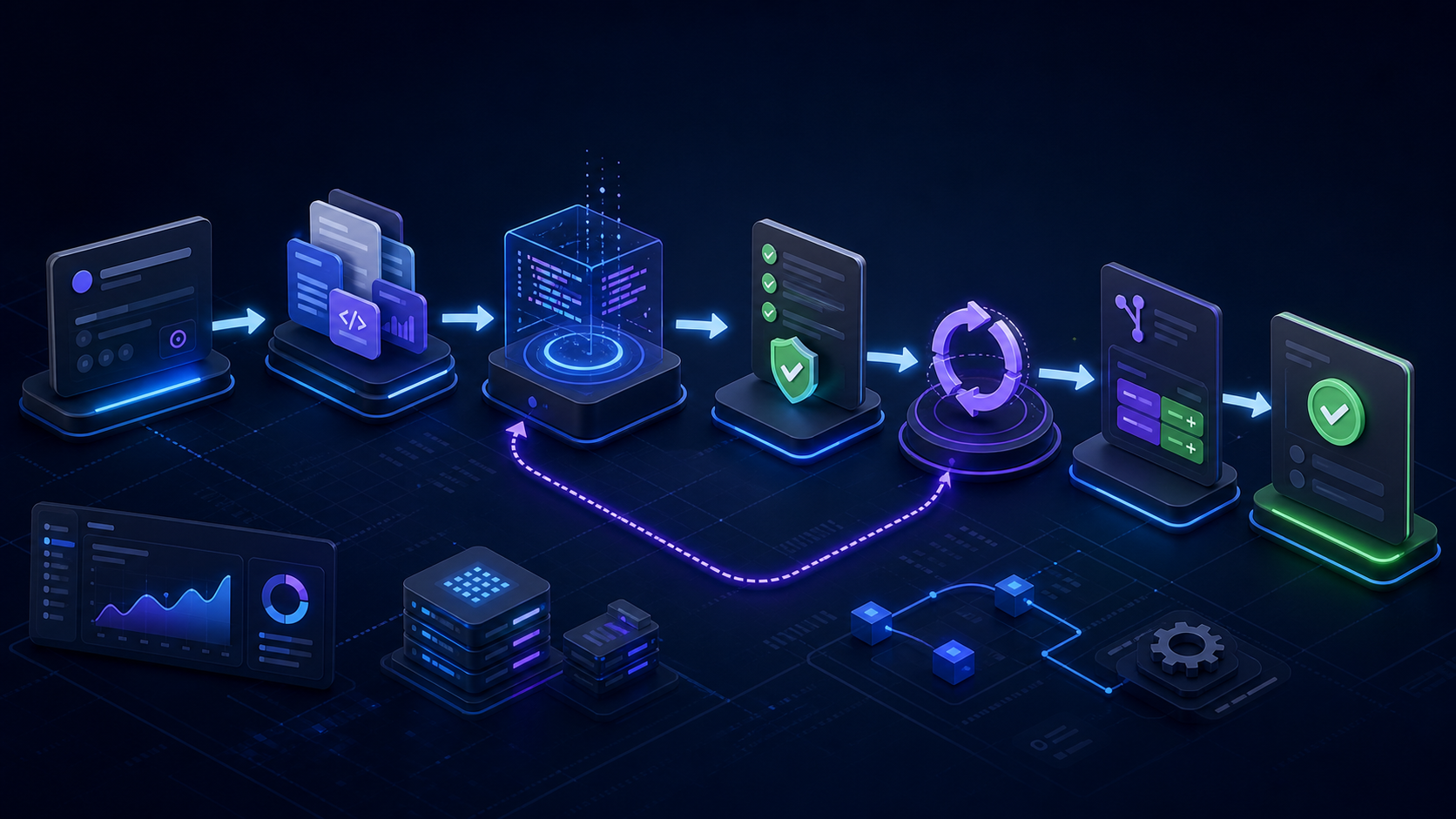
MergeLoom’s Quality Agents run validation and bounded repair before review, then preserve the result in the handoff evidence.
Write Stop Conditions
AI coding workflows need clear stop conditions. Otherwise, agents can keep trying when the right action is to ask for help.
Stop when:
- the ticket lacks acceptance criteria
- the target repository is unclear
- required validation cannot run
- the change requires credentials outside policy
- repair attempts keep failing
- the diff exceeds scope
- the agent discovers a product decision not covered by the ticket
A stopped run should produce useful evidence: what was attempted, what failed, and what the next human decision should be.
Define PR/MR Handoff Requirements
The runbook should define what a generated PR/MR must include:
- source ticket
- summary
- acceptance criteria addressed
- commands run
- validation output summary
- repair attempts
- known gaps
- reviewer focus areas
Human reviewers should not have to reconstruct the run from raw logs.
Controlled AI-Generated Pull Requests provides a broader workflow for this handoff.
Preserve Audit Trails and Attribution
Runbooks should specify the evidence retained for each run:
- who requested or approved it
- which ticket started it
- which worker and provider executed it
- what context was used
- what changed
- what validation ran
- who reviewed and merged
This record helps platform teams debug incidents, explain cost, improve prompts, and answer governance questions.
MergeLoom’s audit trails and attribution are built for this ticket-to-run-to-PR/MR evidence path.
Where MergeLoom Fits
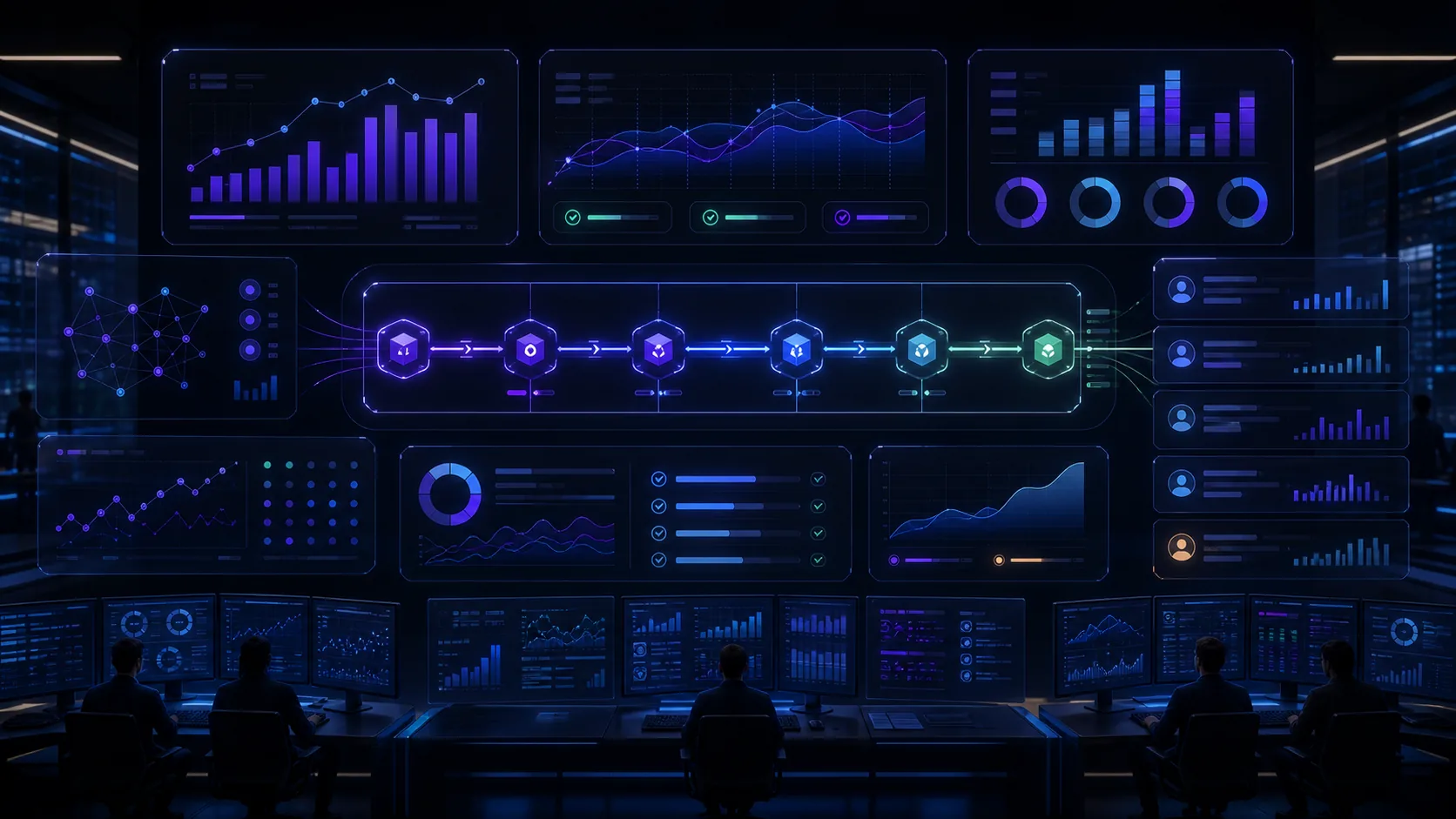
MergeLoom gives platform teams a controlled operating layer for AI coding agents. It connects work intake, repository context, execution, validation, repair, Diff Guard, audit trails, and review handoff.
That means the platform team can support AI coding as an operational workflow instead of a scattered set of scripts and tool-specific habits.
Explore Ticket-To-Code Automation or book a demo to turn your AI coding agent runbook into a working platform process.