Engineering managers are under pressure to increase throughput without lowering quality. AI coding tools can help, but the useful question is not “can the model write code?” It is “which parts of the delivery workflow can move faster while engineers keep control?”
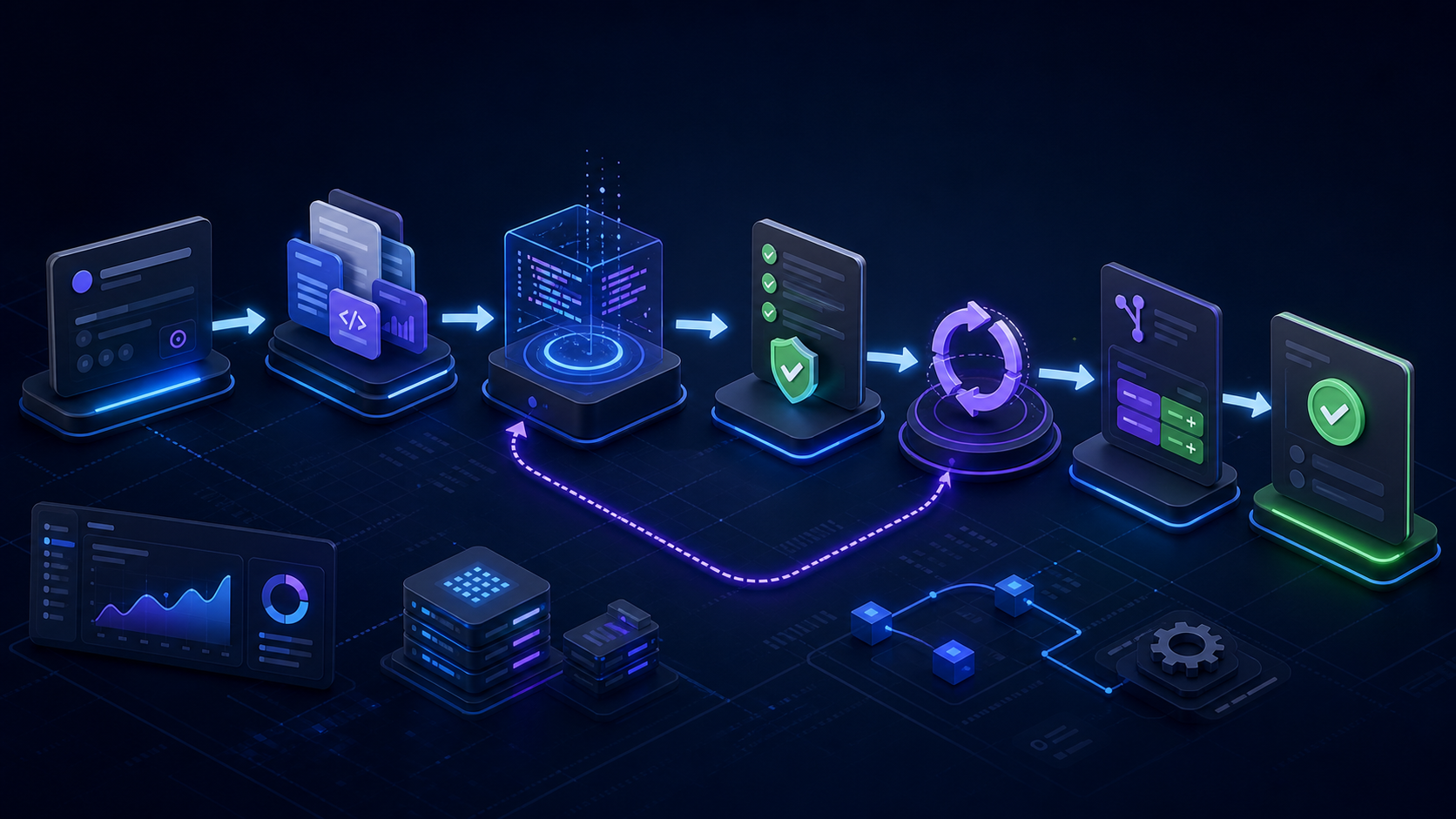
AI coding workflow automation is about the path from approved work to review-ready PR/MR. It includes intake, context, execution, validation, repair, handoff, and audit evidence.
Start With Routine Work
The best starting point is not the most complex project on the roadmap.
Good candidates include:
- small bug fixes with clear reproduction steps
- test coverage backlog items
- simple UI or API adjustments
- dependency updates with known validation commands
- small refactors with clear behavior preservation
- documentation-backed implementation tickets
These tasks have enough structure for automation and enough review value to matter.
Avoid starting with vague architecture work, ambiguous product behavior, or changes that need deep stakeholder negotiation. Those still need human design before implementation.
Improve Ticket Quality First
AI coding workflow automation depends on ticket quality.
A useful ticket includes:
- problem statement
- expected outcome
- acceptance criteria
- target repository or service
- constraints
- validation commands
- reviewer focus areas
This is not extra process for its own sake. It is how managers turn work into a clear contract for both the agent and the reviewer.
MergeLoom’s ticket-to-code automation uses approved tickets as the starting point so generated work stays tied to real backlog movement.
Give Teams Controlled Context
Managers should not expect every engineer to invent prompts, remember repository rules, and manually paste context into tools.
The workflow should attach:
- repository instructions
- architecture notes
- style rules
- test commands
- security constraints
- examples of accepted changes
This reduces variation across teams and makes results easier to compare. It also helps new team members because the automation reflects the repository’s actual operating rules.
Validate Before Review
Human review time is expensive. Do not spend it finding preventable failures.
Before a generated PR/MR reaches review, the workflow should run the checks that matter for the repository:
- formatting
- linting
- type checks
- unit tests
- targeted integration tests
- build commands
- custom policy checks
If checks fail, the system can attempt bounded repair. If repair cannot prove enough, it should stop and report the issue.
MergeLoom’s Quality Agents run this pre-review path and attach evidence to the handoff.
Keep Humans in the Approval Path
Workflow automation should not bypass engineering judgment.
Keep:
- branch protection
- required CI
- CODEOWNERS
- human review
- normal merge rules
- security review paths
The manager’s goal is to reduce routine implementation and cleanup work, not to remove review responsibility. Engineers should receive better-prepared PRs/MRs, not be asked to approve opaque automation.

For a full handoff pattern, read Controlled AI-Generated Pull Requests.
Give Reviewers Better Packets
A review-ready PR/MR should explain:
- which ticket started the work
- what changed
- why the change is in scope
- which acceptance criteria were addressed
- which commands ran
- what failed and was repaired
- what still needs human attention
This makes review more focused. Engineers can spend time on product behavior, architecture fit, security, maintainability, and whether the change should merge.
Track the Right Management Metrics
Managers should avoid shallow AI adoption metrics such as prompts sent or lines generated.
Better metrics include:
- accepted PRs/MRs from approved AI coding tickets
- cycle time from approved ticket to review-ready branch
- validation failures caught before review
- review comments caused by missed scope
- runs stopped because tickets were unclear
- cost per accepted PR/MR
- rework rate after human review
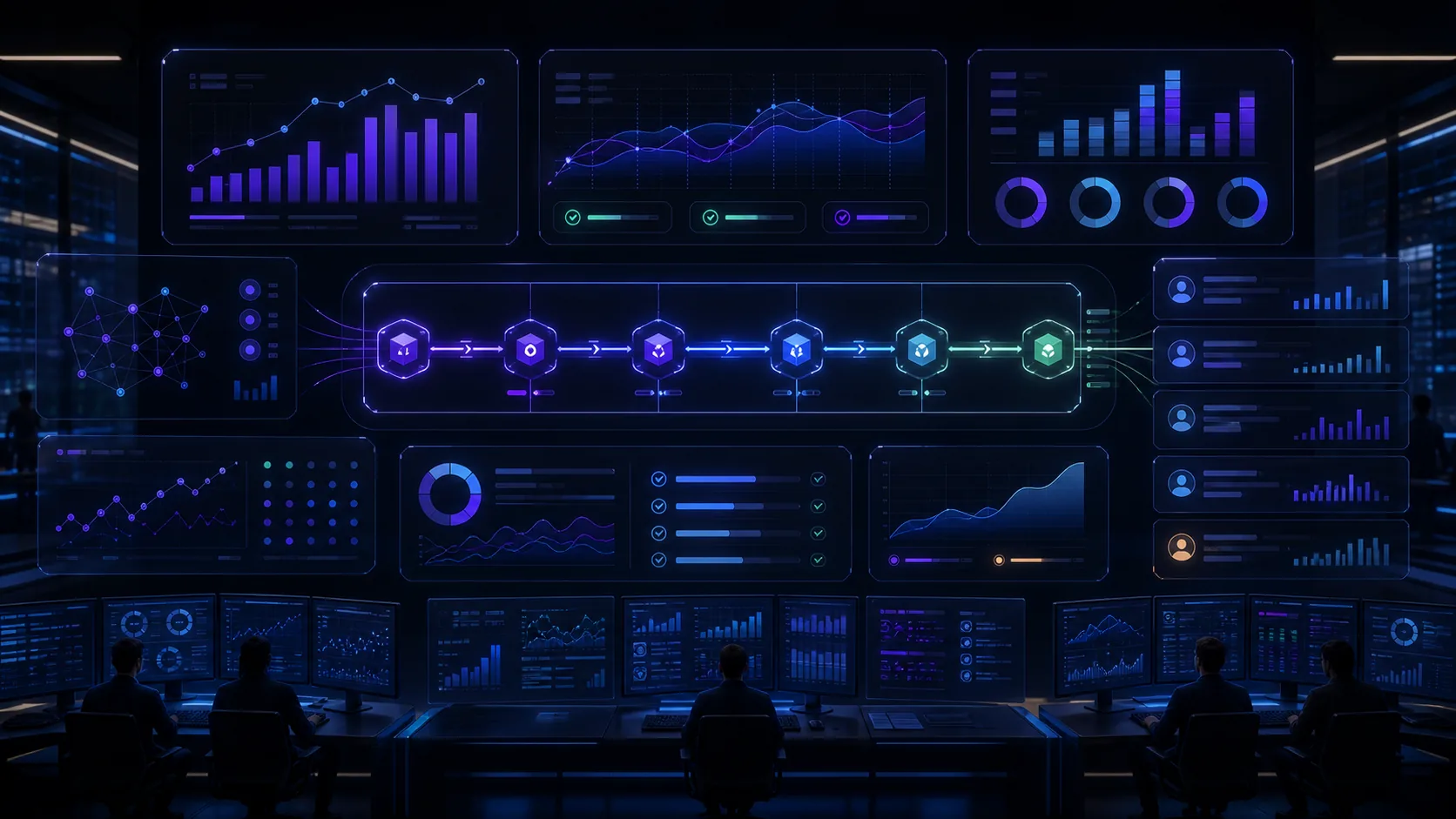
These metrics tell managers whether automation is helping the delivery system, not just whether teams are using a tool.
For cost measurement, see AI Coding Cost Control for Enterprise Engineering Teams and Reduce AI Costs.
Build a Feedback Loop
AI coding workflow automation should improve over time.
Use run outcomes to update:
- ticket templates
- repository validation commands
- context rules
- stop conditions
- review packet requirements
- which work types are eligible for automation
This is where engineering managers can have the biggest impact. The tool produces runs, but the management system decides which work is ready, which evidence matters, and when automation should stop.
Preserve Audit Trails
As adoption grows, managers need a defensible record of what happened.
Track:
- source ticket
- run requester
- repository and branch
- context used
- validation results
- repair attempts
- reviewer outcome
- merge status
MergeLoom’s audit trails and attribution keep this delivery evidence connected from ticket to PR/MR.
Where MergeLoom Fits
MergeLoom helps engineering managers turn approved routine work into validated PRs/MRs. It connects intake, context, execution, validation, repair, Diff Guard, audit evidence, and human review in one controlled workflow.
That gives managers a practical way to increase useful throughput without asking teams to trust unreviewed generated code.
Explore Ticket-To-Code Automation or book a demo to map workflow automation against your current engineering process.