
AI coding productivity is easy to exaggerate. A tool can generate thousands of lines, complete many prompts, or create a pull request quickly, but none of that proves the team is shipping better software.
Engineering leaders need a measurement model that catches both sides: speed gained and review burden created.

Start With the Outcome
The useful unit is not a prompt, token, suggestion, or generated diff. The useful unit is accepted engineering work.
For most teams, that means:
- a merged pull request or merge request
- a validated fix in a release branch
- a shipped ticket with acceptance criteria met
- a documentation or test improvement reviewers accepted
MergeLoom’s pricing and reporting are built around this idea: a billable run is a run that opens a review-ready PR/MR. That aligns measurement with shipped work rather than raw AI activity.
Keep DORA Metrics in View
DORA metrics remain useful because AI should improve delivery without damaging stability. The DORA research program focuses on delivery performance patterns such as lead time, deployment frequency, change failure rate, and time to restore service.
For AI coding, watch whether:
- lead time from approved ticket to PR/MR decreases
- deployment frequency improves without forcing more incidents
- change failure rate stays stable or improves
- time to restore service does not get worse because AI introduced unclear changes
AI adoption that only increases PR volume while raising failure rate is not productivity.
Add Review-Load Metrics
Review is where AI gains often disappear. If agents create more low-quality PRs, senior engineers pay the cost.
Track:
| Metric | Why It Matters |
|---|---|
| Review time per AI PR/MR | Shows whether output is easier or harder to approve. |
| Review rounds | Reveals rework and unclear handoff. |
| Requested-change rate | Shows how often generated output misses expectations. |
| Diff size | Predicts reviewer fatigue. |
| Reviewer interruption load | Captures whether seniors are being pulled into cleanup. |
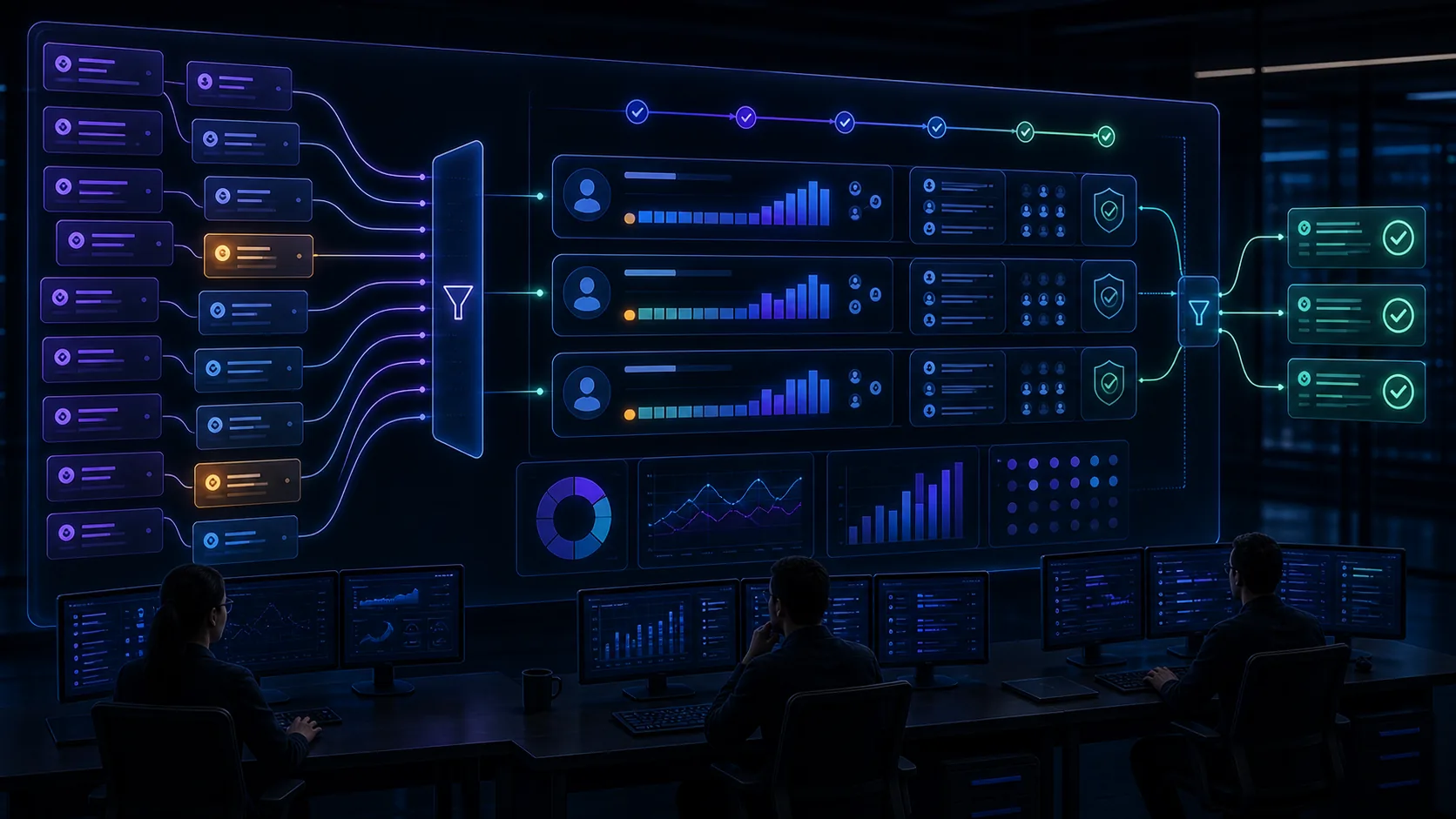
Review-load metrics are especially important for Heads of Engineering because they show whether AI is creating real capacity or shifting work to reviewers.
Track Acceptance, Not Generation
A high generation rate can hide a low acceptance rate.
Useful AI-specific metrics:
- Run acceptance rate: percentage of agent runs that produce a PR/MR reviewers accept.
- First-review pass rate: percentage that need no major rework after first human review.
- Validation pass rate: percentage that pass required commands before PR/MR handoff.
- Clarification rate: percentage blocked because the ticket was not clear enough.
- Scope-drift rate: percentage where reviewers flag unrelated changes.
These metrics are more honest than “AI wrote X lines this week.”
Measure Cost Per Outcome
AI coding has several cost buckets:
- model or provider spend
- agent runtime and infrastructure
- platform fees
- review time
- rework time
- failed run cost
- incident or rollback cost when quality drops
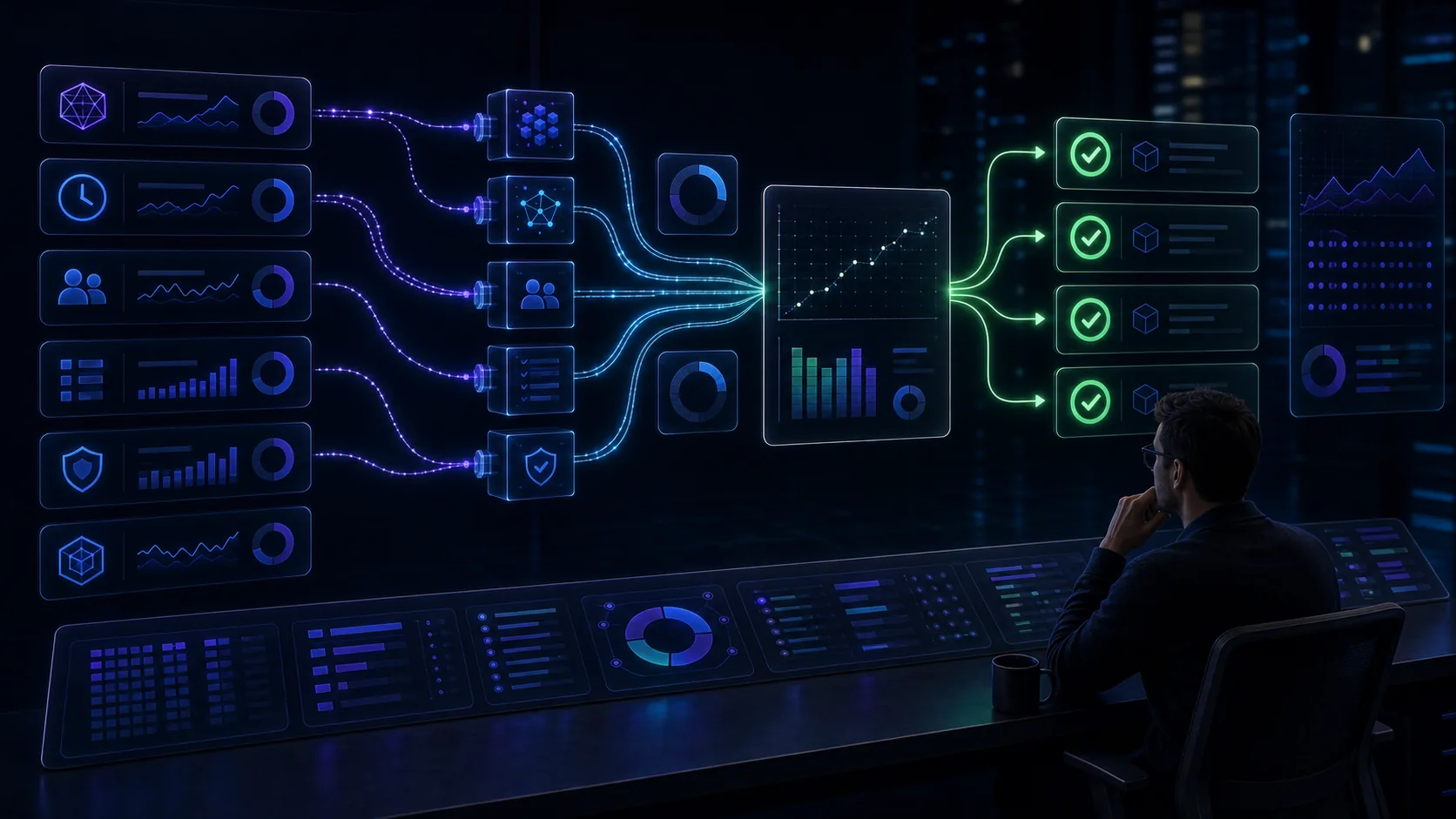
The most useful executive metric is cost per accepted PR/MR or cost per shipped ticket. That allows fair comparison against manual implementation, outsourcing, contractors, or internal team capacity.
For a detailed worksheet, see the AI coding tools cost model.
Use SPACE as a Safety Check
SPACE is a useful reminder that productivity is not just activity. The framework covers satisfaction, performance, activity, communication/collaboration, and efficiency/flow.
For AI coding, ask:
- Are developers happier because routine work is handled, or more stressed because they review unclear PRs?
- Is software quality improving, or are defects moving later?
- Is activity higher in a way that matters?
- Are product and engineering collaborating better through clearer tickets?
- Is flow improving from approved work to review?
This prevents leaders from treating generated code volume as productivity.
Build a Practical Dashboard
Start with a small dashboard that engineering leaders can discuss weekly.
Recommended fields:
- approved tickets eligible for AI work
- agent runs started
- runs blocked by unclear scope
- runs that opened PRs/MRs
- validation pass/fail rate
- accepted PRs/MRs
- review rounds and review time
- cost per accepted PR/MR
- post-merge incidents or rollbacks
MergeLoom’s audit trails and attribution help connect these signals to the specific ticket, run, validation output, and review artifact.
Measurement Anti-Patterns
Avoid these:
- Lines of code generated: rewards bloat.
- Prompts submitted: measures activity, not value.
- PRs opened: ignores acceptance and review cost.
- Tool seats activated: measures rollout, not productivity.
- Developer self-reported time saved only: useful signal, but incomplete without delivery and quality data.
Good measurement should be boring and defensible. It should survive a CFO, CTO, security lead, and senior engineer asking different questions.
FAQ
Question: What is the best first metric for AI coding productivity?
Short answer: Track accepted PRs/MRs from approved tickets, then add validation pass rate, review time, and cost per accepted outcome.
Question: Should we compare AI-assisted developers against non-AI developers?
Short answer: Be careful. Compare workflows and ticket types first. People work on different complexity bands, and raw individual comparison can distort incentives.
Question: How soon should we expect measurable results?
Short answer: You can measure pilot signals within a few weeks, but stable productivity conclusions require enough accepted PRs/MRs across representative repositories.