
Teams searching for AI-eligible engineering tasks are usually trying to make selecting work types that are bounded, testable, and reviewable operational rather than experimental. Engineering managers, technical leads, Jira admins, GitLab admins, and DevOps teams need the work item, repository, context sources, checks, and reviewers for AI-eligible task selection to stay connected from intake to merge.
MergeLoom is designed around the handoff from approved work to reviewable output for AI-eligible task selection, with validation and audit evidence along the way. The buyer should be able to see the source work, repository boundary, checks, and final human decision for AI-eligible task selection.
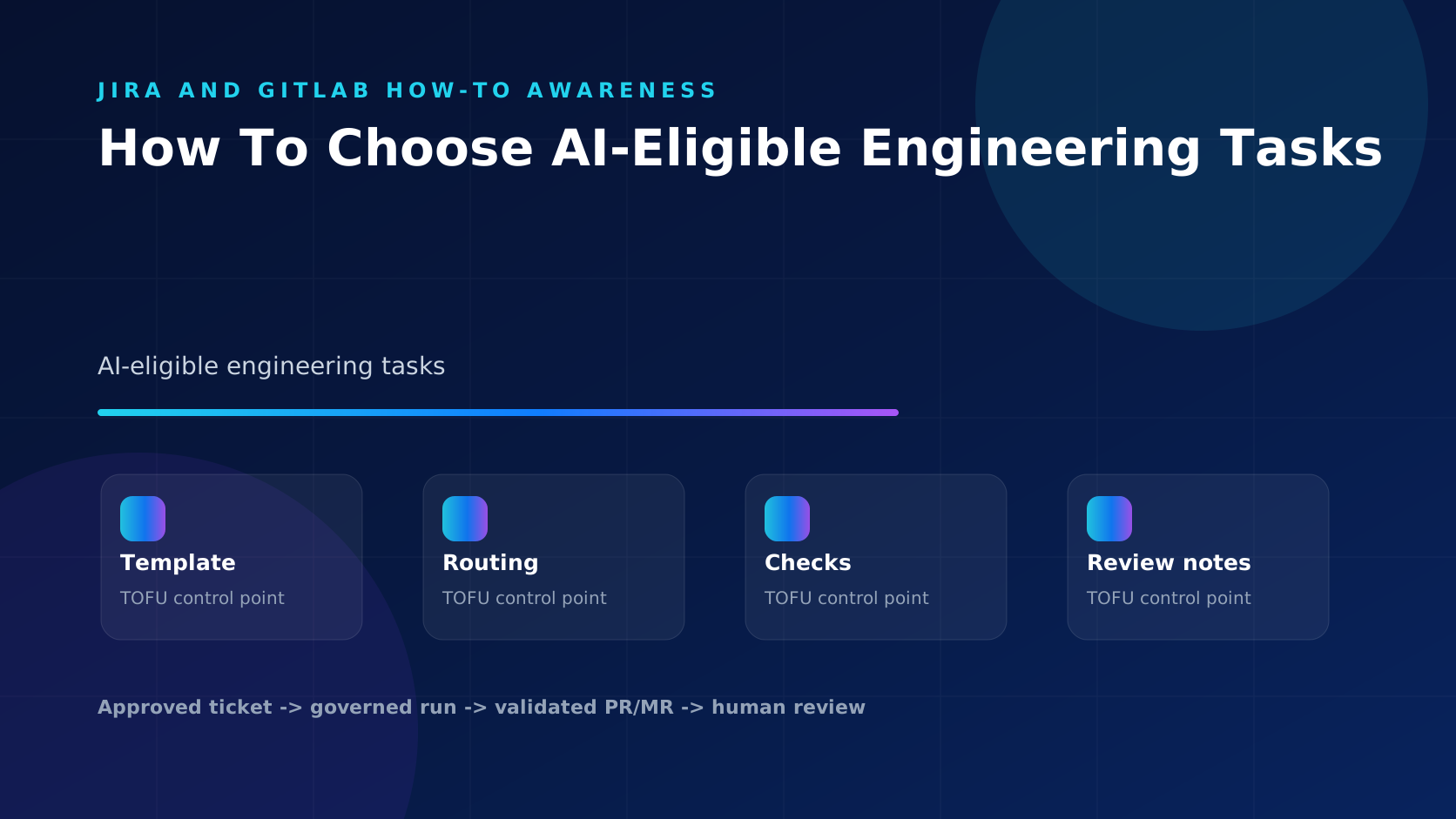
Make The Request Concrete
Treat eligible tasks as an operational handoff, not only as tracker hygiene. A concise but complete handoff is easier to automate, easier to pause, and easier to audit later.
Use this setup:
- Name the source work item, owner, and expected outcome for AI-eligible task selection.
- Identify the repository, service, component, module, or file area involved in AI-eligible task selection.
- The eligible tasks: write acceptance criteria that can be checked by a test, build, manual review step, or explicit reviewer judgment.
- Add constraints, out-of-scope notes, and dependencies so the review packet does not broaden the change.
- The eligible tasks review check: state validation commands, expected CI jobs, or the reason validation is not available for the prepared work.
- The eligible tasks rollout check: describe reviewer focus areas, risk notes, and what should happen if the agent needs clarification on the ticket.
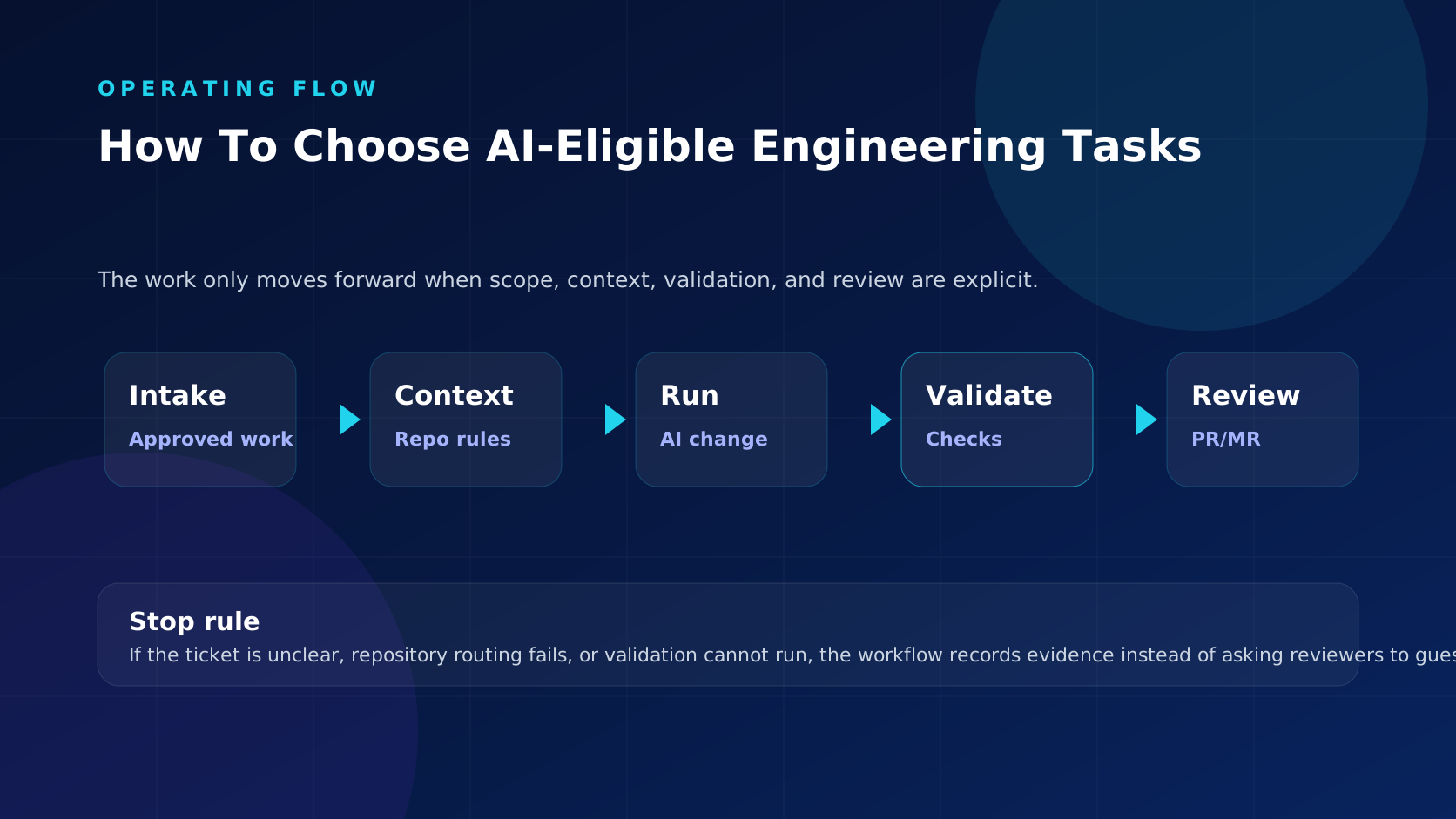
Connect The Template To Validation
- The eligible tasks delegation check: the agent can tell whether the branch handoff is ready without asking a human to reinterpret the ticket.
- The eligible tasks evidence check: reviewers can connect the generated branch and PR/MR back to the original request quickly.
- The eligible tasks handoff check: the validation evidence for the intake path answers the most obvious quality questions before review starts.
- The eligible tasks owner check: the run stops visibly when the review path lacks scope, routing, or checks instead of producing a speculative diff.
- The eligible tasks scaling check: the workflow remains useful even when the team decides the operating step should stay human-only.
The how-to pays off when Learn how governed AI coding fits into your workflow can use the prepared work without extra interpretation. workflow documentation shows where that work enters the governed path.
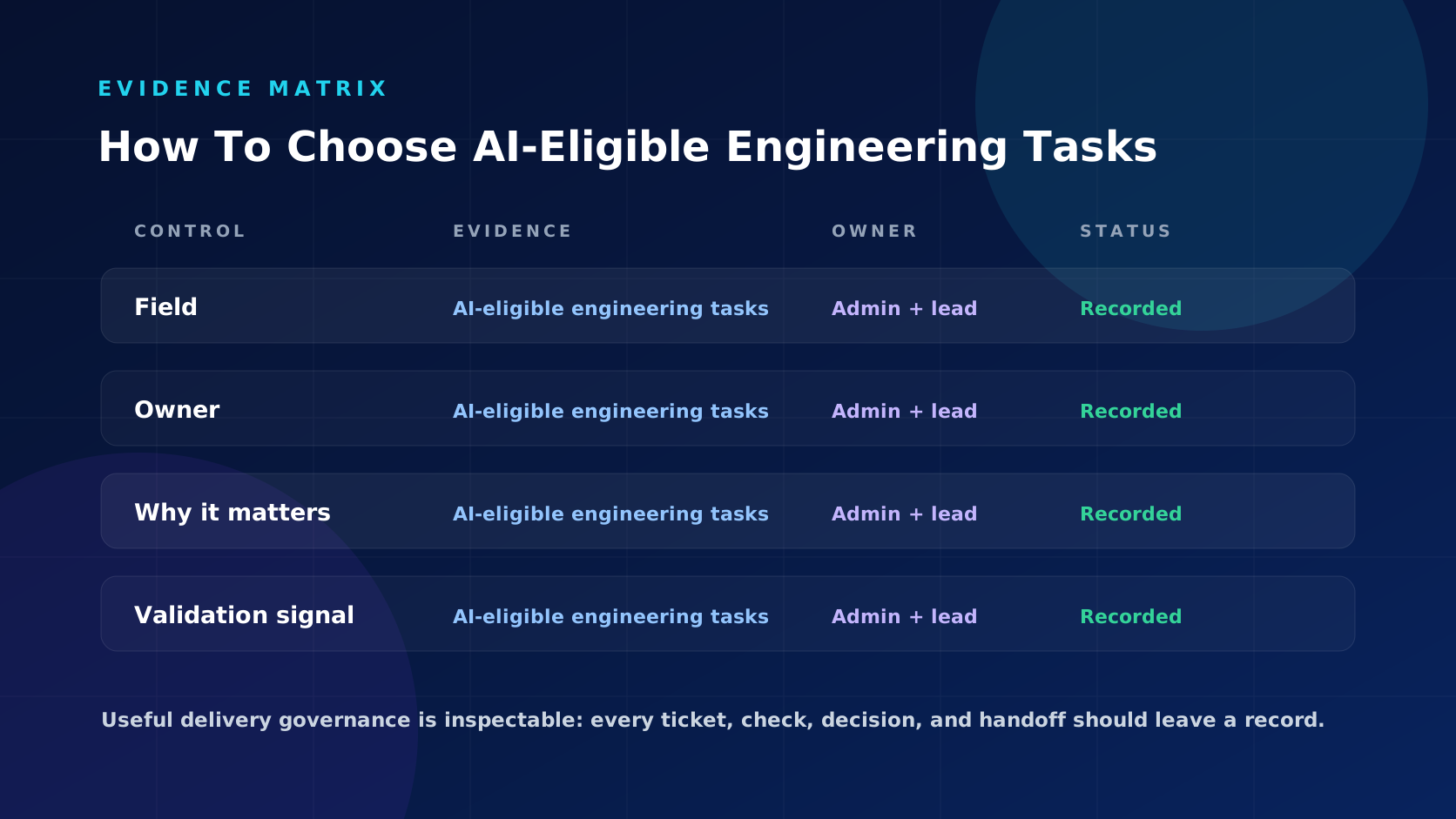
A Practical Version Of This Workflow
For selecting work types that are bounded, testable, and reviewable, the operating model starts with one concrete handoff. The source work item identifies the work, the readiness gate decides whether the run can continue, and the PR/MR carries the evidence back to the people who approve changes.
- Approval boundary: the source record should prove selecting work types that are bounded, testable, and reviewable has a real owner and a ready state.
- Repository boundary: the evidence packet should identify the right project before code is generated.
- Context boundary: the run should exclude secrets, unrelated comments, and unsupported assumptions. Track this with the review packet for the eligible tasks.
- Validation boundary: the readiness gate should complete or explain its gap before the PR/MR is reviewed.
- Risk boundary: if scope or ownership is ambiguous, the workflow should preserve evidence and stop cleanly. Keep this visible before review for the eligible tasks.
When this discipline is missing, the reviewer handoff usually shifts cost from implementation to review. The page should therefore be read as an operating checklist, not only an SEO topic.
What Breaks When The Workflow Is Loose
The handoff fails when a helpful human note still leaves automation guessing about scope, checks, or ownership.
The operating owner should look for these patterns:
- The queued item for eligible tasks is still a prompt-shaped request rather than an executable work record.
- Commits and branch names make this practice hard to trace back to the request that authorized it.
- The eligible tasks rollout check: the readiness gate produces a pass/fail signal but no evidence that a reviewer can inspect.
- The eligible tasks delegation check: reviewers rediscover scope, dependencies, or risk notes that should have been collected at intake.
- Reruns continue without a repair budget, stop rule, or escalation owner.
- The team reports generated changes for eligible tasks without separating accepted work from cleanup work.
The operational story for the request is incomplete without Learn how governed AI coding fits into your workflow, workflow documentation, and validation and review controls because automation, documentation, and validation have to reinforce each other.
Questions For The Operating Owner
A practical governance review for the handoff should start with these questions:
- Start gate: what condition in the source work item authorizes work about selecting work types that are bounded, testable, and reviewable?
- Ownership map: which reviewer, code owner, or platform owner is accountable for the workflow?
- Context inventory: what information must be gathered before the run, and what should be blocked? The owner should confirm this ahead of execution for the eligible tasks.
- Quality signal: what outcome from the readiness gate tells the team that review can begin?
- Evidence packet: what should the PR/MR include so the next reviewer can inspect the path quickly? Capture this before review begins for the eligible tasks.
- Stop authority: who makes the decision when the review packet conflicts with policy or scope?
Clear operating answers help the prepared work scale without forcing reviewers to rediscover context after every generated change.
How MergeLoom Supports This Workflow
The ticket becomes operational when the prepared template or practice has somewhere controlled to execute for selecting work types that are bounded, testable, and reviewable. Eligible tasks still needs local ownership; MergeLoom supplies the controlled execution and review handoff around it.
Use Learn how governed AI coding fits into your workflow as the next conversion path for the prepared work. Pair it with workflow documentation for implementation context and validation and review controls for validation or audit detail. Related follow-ups: How To Write Jira Tickets Developers Can Actually Use, How To Set Up Jira Workflow Statuses, AI Pull Request Automation For Jira Teams.
Rollout Checklist
- Apply the practice to a real low-risk ticket or issue first.
- Check whether the next actor can identify repository, scope, checks, and reviewer focus for the branch handoff.
- Update the template or labels when reviewers repeat a clarification about eligible tasks.
- Connect the intake path to validation output and PR/MR descriptions, not only ticket hygiene.
- Document when the review path should be escalated instead of delegated.
Bottom Line
The next handoff should be easier for agents and reviewers to use. The practice is working when eligible tasks reduces clarification, narrows scope, and makes validation obvious.
Learn how governed AI coding fits into your workflow to connect eligible tasks to a governed ticket-to-code operating model.