
Human-in-the-loop AI coding is not just “an engineer checks the output.” That phrase is too vague for serious engineering teams.
A useful workflow defines exactly where humans make decisions, where automation runs, what evidence is produced, and when the system stops. The goal is to move routine work faster without turning code review into cleanup duty or letting untracked prompts become production changes.
Start With Human Approval of the Work
The first human decision is whether the work should run at all.
An AI coding workflow should start from approved tickets, issues, or tasks. The work item should describe:
- the expected behavior or change
- acceptance criteria
- target repository or service
- constraints
- validation commands
- reviewer focus areas
This gives the agent an implementation contract. It also gives managers and reviewers a shared source of truth when evaluating the final PR/MR.
MergeLoom’s ticket-to-code automation follows this model: approved work is the input, not a note added after the branch exists.
Define the Automation Boundary
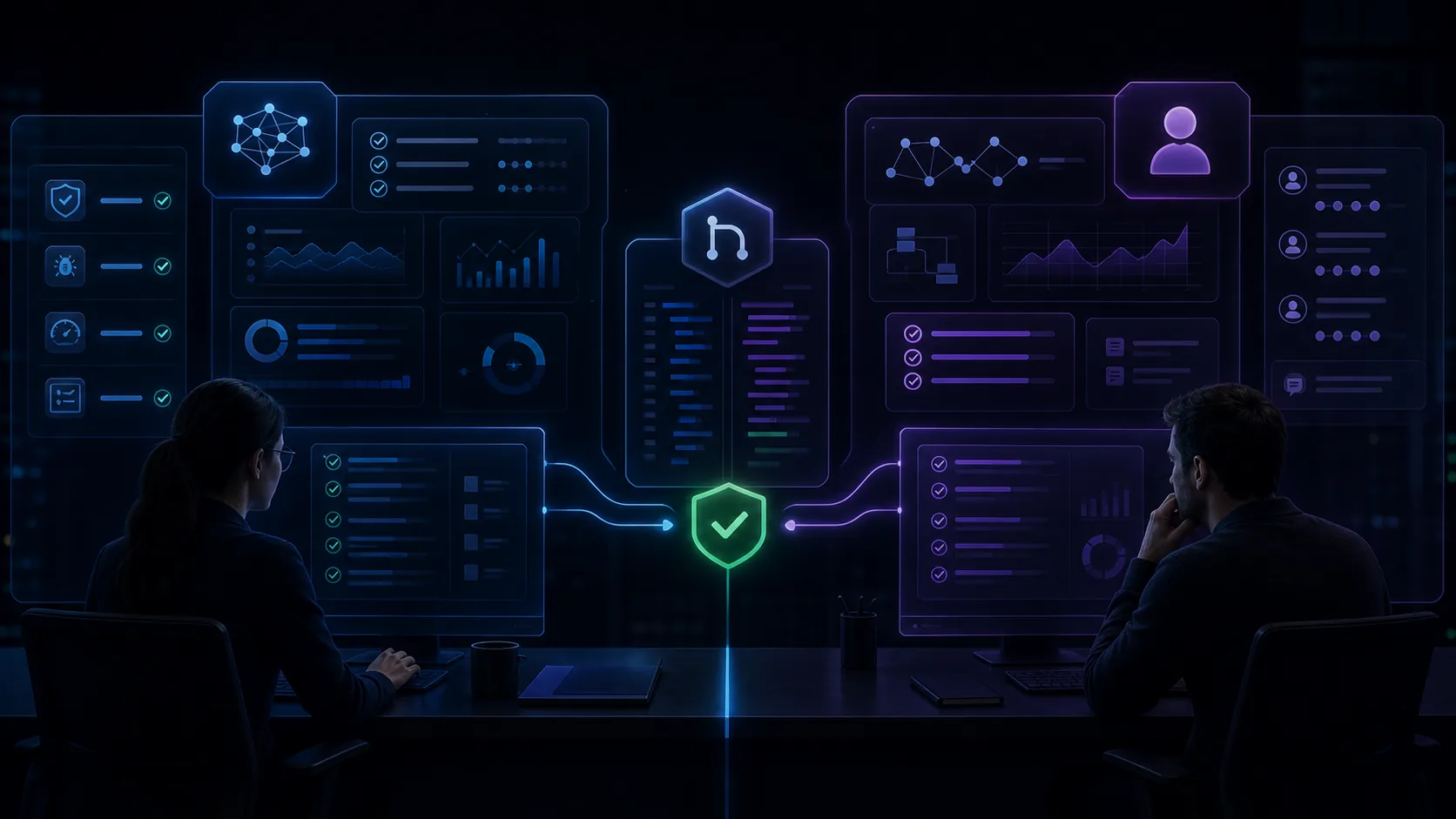
Human-in-the-loop does not mean humans click every step. It means humans retain control over the decisions that carry risk.
Automation can usually handle:
- ticket interpretation checks
- repository investigation
- context gathering
- implementation attempts
- test and build commands
- bounded repair loops
- PR/MR description drafting
Humans should control:
- work approval
- ambiguous product decisions
- security-sensitive exceptions
- scope expansions
- review approval
- merge decisions
Write these boundaries down. Otherwise, teams end up debating them one PR/MR at a time.
Add Context Before the Agent Writes Code
Human judgment should shape the run before code is generated.
Useful context includes:
- repository rules
- architecture documents
- test instructions
- security constraints
- style guidance
- API contracts
- examples of accepted changes
Context reduces the number of decisions the agent has to guess. It also makes review easier because the PR/MR can explain which rules and documents shaped the implementation.
For teams standardizing this step, MergeLoom’s Quality Agents apply clarity checks, investigation, validation, repair, specialist review, and Diff Guard before handoff.
Validate Before Review
Reviewers should not be the first quality gate.
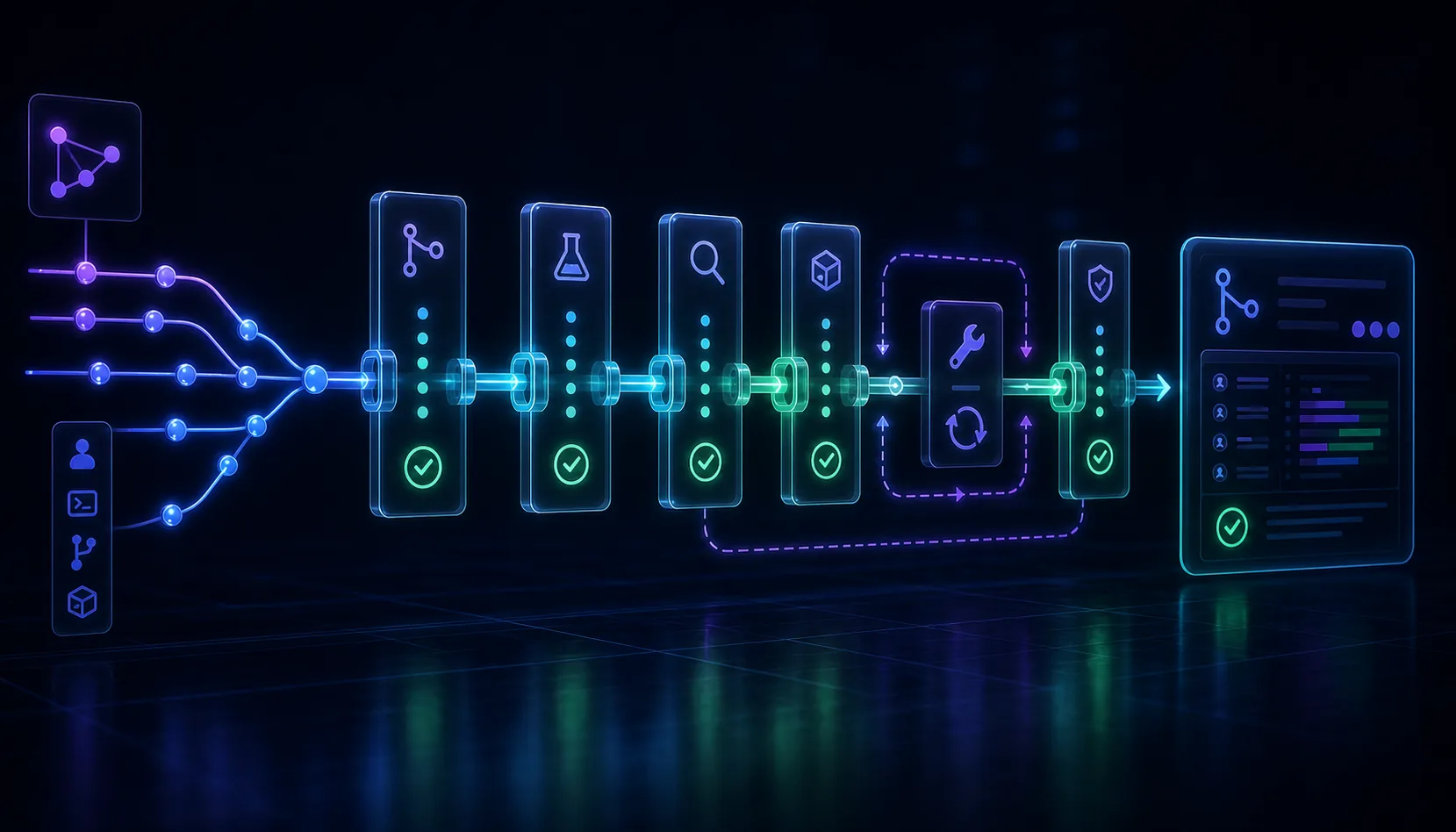
Before a PR/MR reaches human review, the workflow should run repository-specific checks:
- formatting
- linting
- type checks
- unit tests
- targeted integration tests
- build commands
- custom policy checks
If checks fail, the workflow can attempt bounded repair. If repair fails or the issue exceeds the ticket, the workflow should stop and report the problem.
That stop condition is part of human-in-the-loop design. A stopped run with clear evidence is better than an unreviewable branch.
For the validation model, read AI Code Validation Before PR.
Give Reviewers a Real Packet
Human review works best when reviewers receive evidence, not just a diff.
The PR/MR should include:
- source ticket link
- summary of the change
- files changed and why
- acceptance criteria addressed
- commands run
- validation results
- repair attempts
- known gaps
- reviewer focus areas
This packet helps humans spend time on judgment: architecture fit, product behavior, security posture, maintainability, and whether the change should merge.
Keep Branch Protection and Ownership
Human-in-the-loop workflows should fit normal engineering controls.
Keep:
- branch protection
- required CI checks
- CODEOWNERS
- human approval requirements
- security review paths
- release controls
AI coding should not become a parallel path around the process. It should produce better-prepared changes for the process the team already trusts.
Controlled AI-Generated Pull Requests covers this handoff pattern in more detail.
Preserve Audit Trails
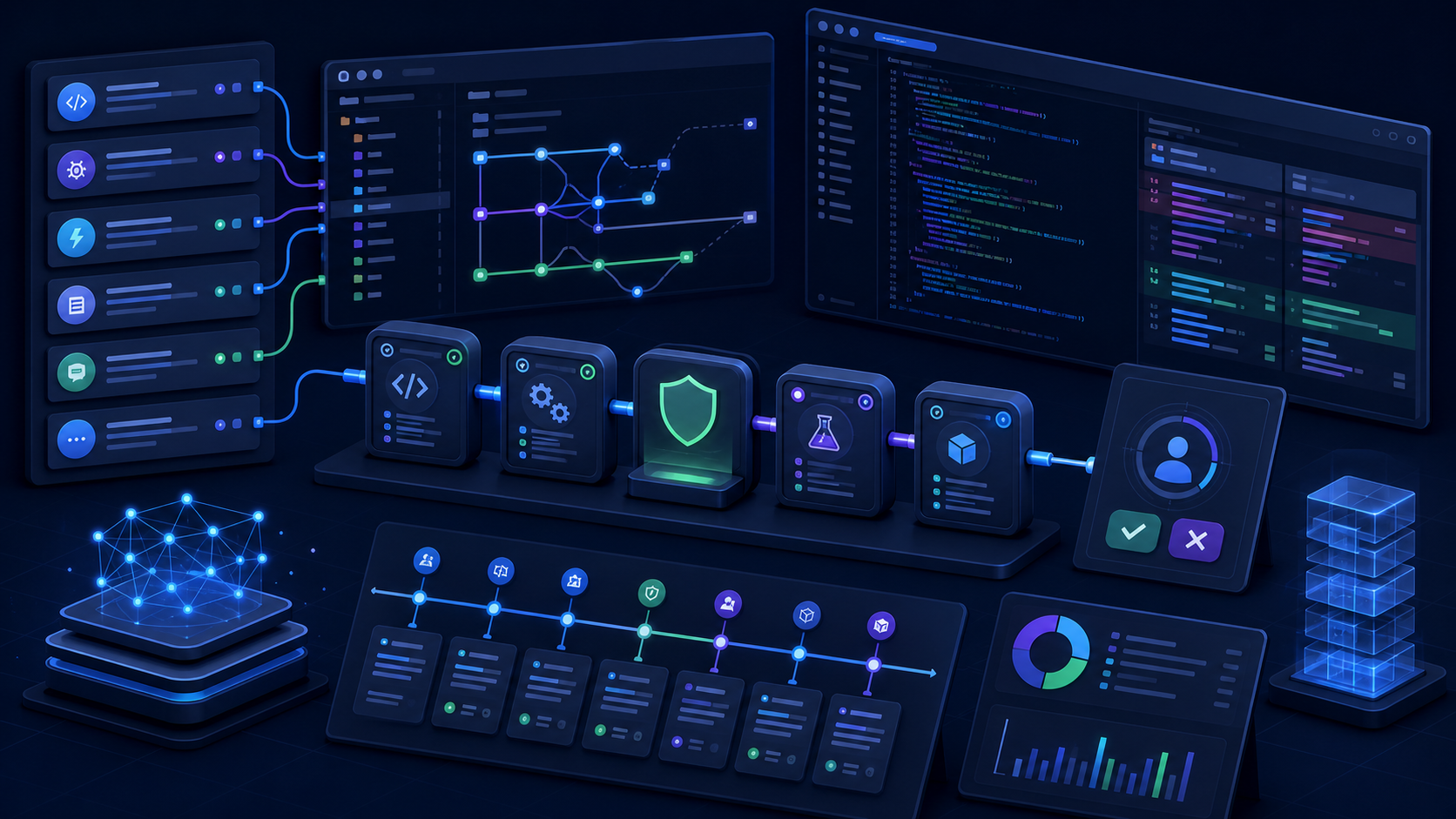
Human-in-the-loop workflows need an audit trail because decisions are distributed across tickets, agents, validators, reviewers, and code hosts.
Track:
- who approved the work
- which ticket started the run
- which repository and branch were used
- what context was attached
- what model or worker executed the run
- what commands ran
- what changed during repair
- who reviewed and merged
This evidence supports governance, incident review, cost analysis, and process improvement.
MergeLoom’s audit trails and attribution are designed around this full delivery record.
Measure the Workflow, Not Just the Output
Track whether human-in-the-loop controls are working:
- runs stopped before PR/MR because scope was unclear
- validation failures caught before review
- review comments caused by missing context
- PRs/MRs merged without major rework
- tickets returned for better acceptance criteria
- cost per accepted PR/MR
These metrics help teams tune the system. They also make it easier to explain AI coding adoption to engineering leadership without pretending the model is the process.
Where MergeLoom Fits
MergeLoom gives teams a controlled human-in-the-loop path from approved work to validated PR/MR. It handles routine execution steps while keeping scope, validation, audit evidence, and merge control visible to humans.
Start with Ticket-To-Code Automation or book a demo to map human decision points around your current engineering workflow.