AI coding tool sprawl happens fast. One team uses GitHub Copilot. Another uses Cursor. A platform engineer tries Claude Code. A security-minded group tests Qodo or Greptile. Someone runs OpenHands. CodeRabbit appears in pull requests. Devin or Factory enters an executive conversation.
This is normal. The market is moving quickly, and different tools solve different problems.
The risk is not that teams try tools. The risk is that AI-generated code enters delivery without shared controls.
Why Tool Sprawl Happens
AI coding tools are not all the same.
They span:
- IDE assistants
- terminal agents
- cloud coding agents
- PR/MR review agents
- issue planning tools
- security and quality agents
- open-source agent frameworks
- workflow automation platforms
Developers choose tools based on local fit: editor, language, model preference, task type, speed, and personal workflow.
Leadership cares about a different layer: risk, cost, validation, auditability, and consistency.
Do Not Start With a Ban
A blanket ban often pushes usage into less visible channels.
Better first steps:
- identify which tools teams already use
- classify tools by risk and workflow role
- define approved repositories and data rules
- require human review for AI-generated changes
- standardize validation evidence
- create a path for teams to request tool approval
The goal is managed adoption, not pretend control.
Classify Tool Categories
Use categories instead of debating every vendor one by one.
Examples:
- Assistant: helps write or explain code inside an IDE.
- Agent: can plan, edit files, run commands, and create branches.
- Review agent: analyzes PRs/MRs and comments on risk or quality.
- Workflow agent: starts from tickets or issues and drives work toward PR/MR output.
- Context platform: indexes code and docs to improve AI answers.
This keeps governance stable as vendors change.
Standardize the Workflow, Not Every Tool
The strongest control point is the delivery workflow.
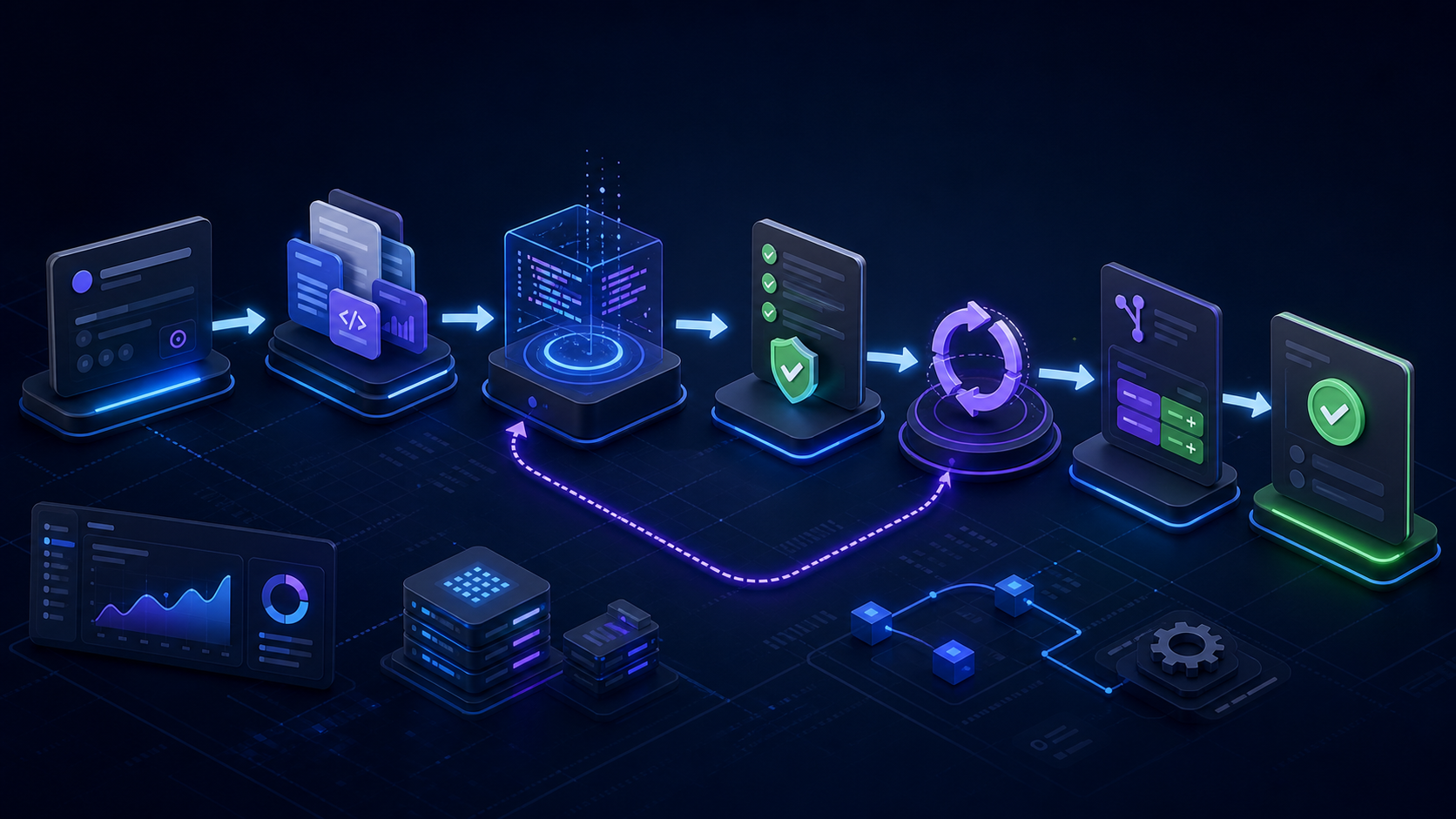
Require every AI-generated code change to answer:
- What approved work item caused this?
- Which repository was touched?
- What context was used?
- Which commands ran?
- What validation passed or failed?
- Who reviewed the output?
- Where is the audit trail?
If a tool cannot support that workflow for higher-risk work, keep it limited to lower-risk assisted coding.
Define Allowed Work by Risk
Low-risk assisted work:
- local explanations
- test scaffolding
- documentation drafts
- small refactors with review
Higher-risk agentic work:
- multi-file edits
- branch creation
- command execution
- PR/MR creation
- security-sensitive changes
Higher-risk work needs stronger controls.
MergeLoom’s AI coding risk management guide covers this rollout model.
Centralize Context Rules
Tool sprawl becomes more dangerous when every tool gets different context.
Standardize:
- repository instructions
- architecture docs
- validation commands
- approved context sources
- sensitive data exclusions
- reviewer expectations
MergeLoom’s Context Engine helps teams make context reusable across runs rather than prompt-dependent.
Require Validation Evidence
Every AI-generated PR/MR should show validation evidence.
At minimum:
- commands run
- results
- checks skipped
- known gaps
- repair attempts
This matters whether the code was written by Copilot, Cursor, Claude Code, OpenHands, Devin, Factory, or another agent.
Keep Review Ownership Clear
Tool sprawl can blur responsibility. Do not let it.
Policy should state:
- AI-generated code requires human review
- AI review comments do not replace owner approval
- high-risk areas require named human owners
- merge control stays in the code host
For a practical review model, see AI Code Review vs Human Code Review.
Measure Outcomes Across Tools
Do not compare tools only by subjective developer preference.
Track:
- accepted PRs/MRs
- review rework
- validation failure rate
- time from approved ticket to review
- cost per accepted outcome
- security or policy exceptions
This creates a neutral way to discuss adoption.
Where MergeLoom Fits
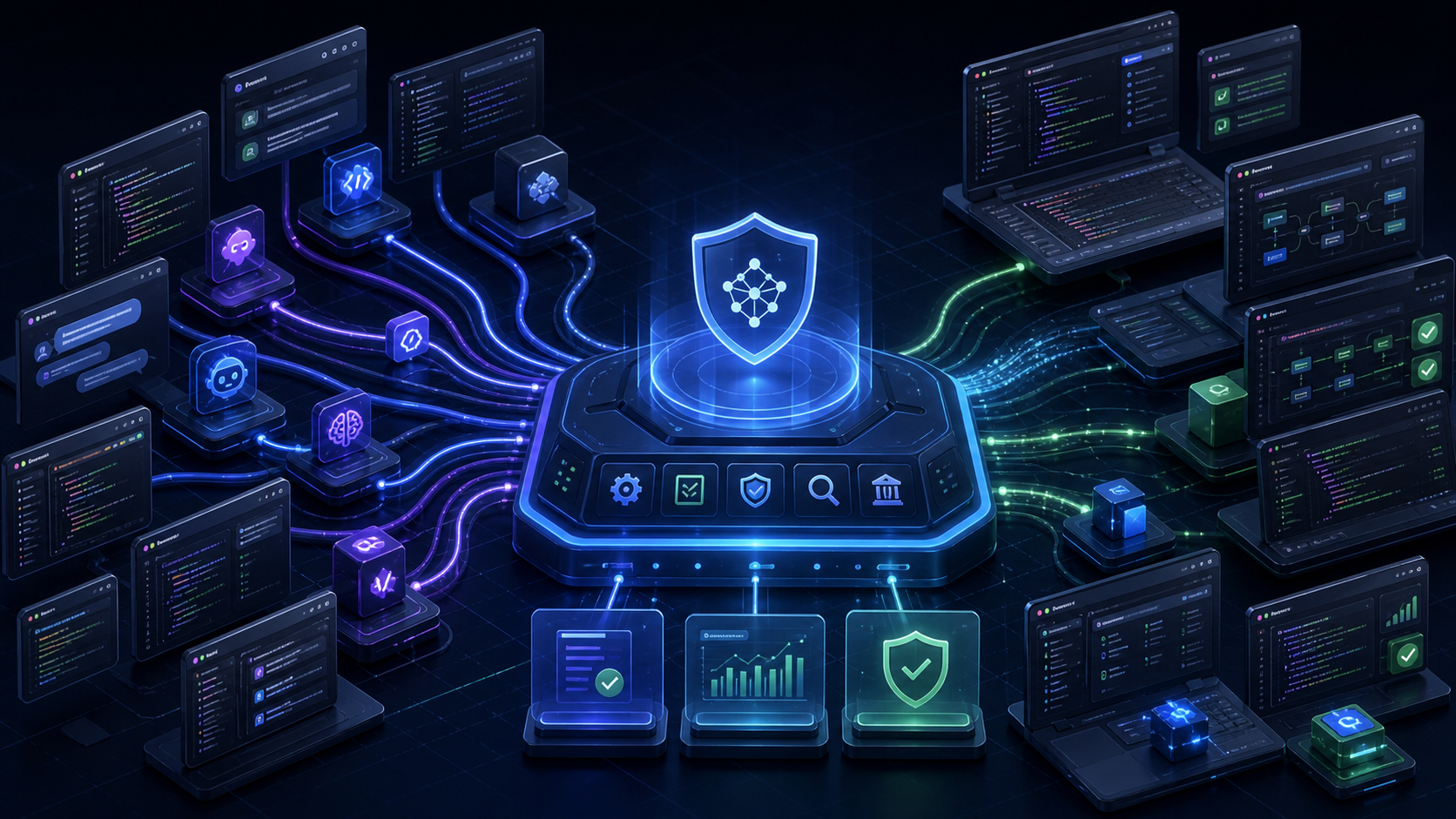
MergeLoom helps teams manage AI coding tool sprawl by standardizing the workflow around AI-generated code.

It does not require every developer to use the same assistant. It gives leaders a governed path for approved work: intake, context, execution, validation, PR/MR handoff, audit evidence, and cost visibility.
Start with AI Software Delivery Control Plane or book a demo to map the workflow layer around the tools your teams already use.